DIY Hosting: Build and Manage Your Own Website Without Third Parties
When you choose DIY hosting, the practice of setting up and managing your own web server instead of using a third-party hosting provider. Also known as self-hosted website, it puts you in full control of your site’s speed, security, and customization—no plugins, no restrictions, no hidden fees. Most people use shared hosting because it’s easy, but that ease comes at a cost: slow load times, ads you didn’t ask for, and no real ownership. DIY hosting flips that. You pick the server, you install the software, you handle the updates. It’s not magic—it’s just knowing what to click.
People who run WordPress, the most popular content management system, used by over 43% of all websites on DIY hosting often see faster performance and better SEO results. You don’t need a degree in computer science. You just need a basic understanding of server management, the process of configuring, maintaining, and securing a web server—things like installing Linux, setting up a firewall, or updating PHP. Many of the posts here show how non-IT people built their own sites using free tools and step-by-step guides. One person started with a $5 VPS and now runs a blog that earns more than their old job. Another switched from WordPress.com to self-hosted WordPress and cut their bounce rate in half.
DIY hosting isn’t for everyone. If you just want to post a few photos and call it a day, a free platform might be enough. But if you care about performance, privacy, or long-term growth, owning your site changes everything. You’re not renting space—you’re building something that’s yours. And when you understand how your server works, you start making smarter decisions about everything else: SEO, backups, plugins, even how you learn to code. The posts below walk you through exactly how to get started, what tools to use, where to find help, and how to fix common mistakes without paying for tech support. This isn’t theory. It’s what real people are doing right now to take back control of their online presence.
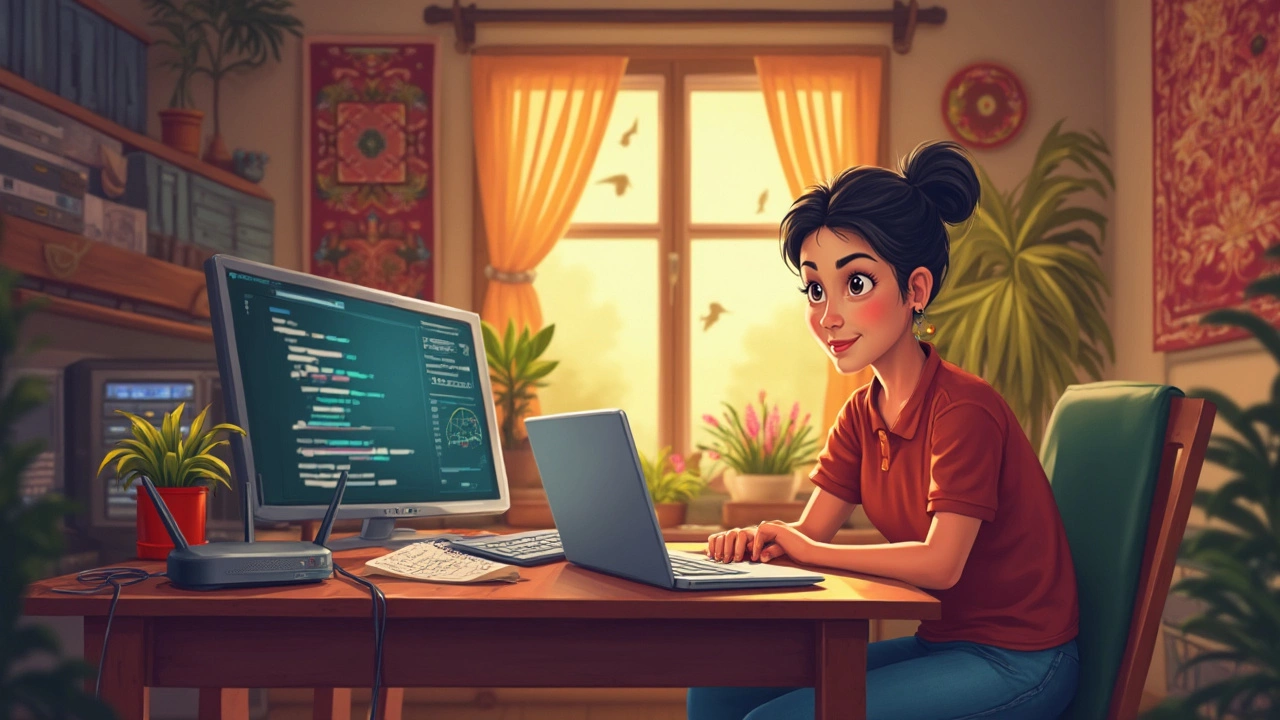
How to Be Your Own Website Host: Exploring the Possibilities
Are you curious about hosting your own website? This article explores what it means to be your own website host, covering both the benefits and challenges. Learn about the technical requirements, such as hardware and software, alongside practical tips to get started. Discover whether a DIY approach fits your needs and what alternatives you might consider.