Java: What It Is, Why It Matters, and How It Powers Education and Tech in India
When you hear Java, a high-level, object-oriented programming language originally developed by Sun Microsystems in the mid-1990s. Also known as Java SE, it runs on virtually every device—from Android phones to bank servers—and still powers the backend of most Indian edtech platforms like BYJU’s and Unacademy. Unlike flashy new languages, Java doesn’t chase trends. It just works. And that’s why millions of students in India learn it first—not because it’s easy, but because it’s everywhere.
Java isn’t just a language. It’s the foundation for full stack development, the skill set needed to build complete web applications. Many of the posts here talk about becoming a developer without a degree, and Java is one of the core languages that makes that possible. You don’t need a CS degree to learn it, but you do need to understand how it connects to databases, servers, and mobile apps. It’s the glue between frontend tools like React and backend systems using Spring Boot. Even if you’re learning web development through free courses, Java often shows up in the back end—handling user logins, storing data, or running business logic.
It’s also the backbone of Android apps. If you’ve ever used a learning app on your phone, chances are it runs on Java—or Kotlin, which was built to work alongside it. That’s why Indian engineering colleges still teach Java in their first year. It’s not about nostalgia. It’s because the skills you build learning Java—problem-solving, structure, logic—translate directly to real jobs. Companies like TCS, Infosys, and Wipro still hire thousands of Java developers every year. And if you’re thinking about freelancing or building your own tools, Java gives you the stability to scale.
Some people say Java is outdated. They point to Python or JavaScript as the future. But look closer. The biggest edtech platforms in India? They run on Java. The government’s online exam portals? Java. The apps that help JEE aspirants track their progress? Built with Java. It’s not the flashiest, but it’s the most reliable. And in education, reliability matters more than trends.
Below, you’ll find real posts that connect Java to earning while you learn, breaking into tech without a degree, and what skills actually get you hired in 2025. You won’t find fluff here. Just clear connections between what you’re learning and where it leads.

Is Java Worth Learning in 2024? Career, Salary & Future Demand Explored
Java is far from outdated in 2024. Discover if learning Java is still a smart move for your career, with real job stats, tech trends, and course tips.
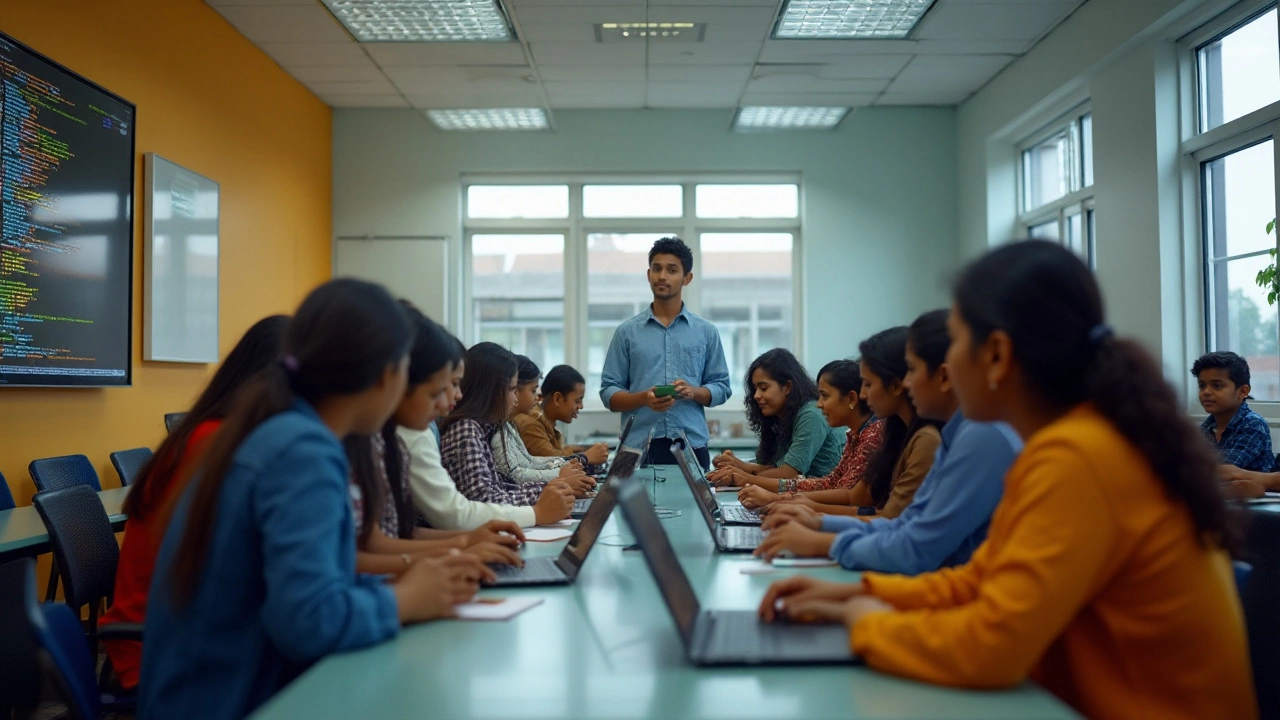
Python vs Java: What to Learn for JavaScript Enthusiasts
Deciding whether to learn Python or Java can be a challenge, especially for those who have a background in JavaScript. This article explores the strengths and weaknesses of Python and Java, their use cases, and how they complement the knowledge of JavaScript developers. From the ease of syntax in Python to the robustness of Java, it helps guide readers in making an informed choice. This article aims to offer practical insights and tips for embarking on a new programming journey.
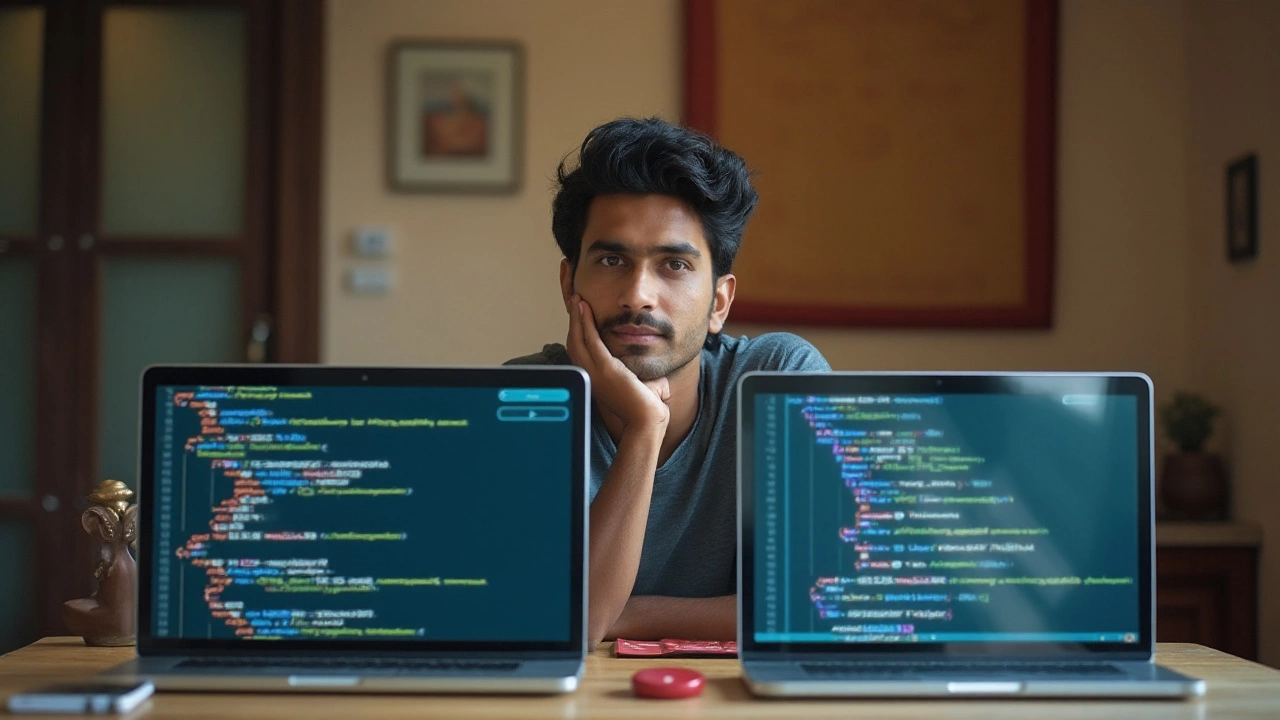
JavaScript vs Java: Which is More Beginner-Friendly?
JavaScript and Java, despite their similar names, serve different purposes in the programming world. This article explores the learning curve of each language to determine which is easier for beginners. By examining their syntax, real-world applications, and learning resources available, this article provides insights into how each language can benefit aspiring programmers. Readers are guided through practical examples and tips to understand the nuances of Java and JavaScript.