
Web Developer Salary Calculator 2025
Calculate Your Earnings
Salary Estimate
Enter your details to see your estimated annual salary.
If you’re thinking about becoming a web developer, the first question that pops up isn’t about JavaScript or CSS-it’s about money. Does being a web developer pay well? The answer isn’t a simple yes or no. It depends on where you live, what you specialize in, how much experience you have, and even the type of company you work for. But here’s the truth: in 2025, web development is one of the most reliable paths to a solid income-even for people who started with zero coding experience.
What Web Developers Actually Earn in 2025
Entry-level web developers in the U.S. make between $65,000 and $80,000 a year. That’s not startup money-it’s a real salary with benefits. In cities like San Francisco or New York, those numbers jump to $85,000-$105,000. Outside the U.S., the pay varies. In Germany, entry-level roles start around €45,000. In India, they start at ₹4-6 lakh per year. But even in lower-cost countries, web developers often earn more than the average professional.
Mid-level developers-those with 3-5 years of experience-earn $95,000 to $130,000 in the U.S. Senior developers, especially those who specialize in full-stack or cloud-based systems, regularly hit $140,000+. At big tech companies like Google, Meta, or Amazon, senior web engineers with strong portfolios can make $180,000 or more when you add bonuses and stock.
Freelancers don’t make less. A solid freelance web developer charging $75/hour works 20 hours a week and clears $78,000 a year before taxes. Many work 30+ hours and hit six figures. The key? Consistent clients and clear pricing.
What Skills Pay the Most?
Not all web developers are paid the same. The market rewards specialization. Here’s what’s hot in 2025:
- Full-stack developers who can handle both front-end (React, Vue) and back-end (Node.js, Python/Django) earn 20-30% more than specialists.
- Front-end developers with deep expertise in performance optimization, accessibility, and React/TypeScript are in high demand. Companies need people who can make sites fast and usable for everyone.
- Back-end developers who know cloud platforms like AWS or Azure, plus databases like PostgreSQL or MongoDB, are harder to replace. Their salaries reflect that.
- Web developers who understand DevOps-CI/CD pipelines, Docker, deployment automation-earn premium rates. These skills turn you from a coder into a system builder.
On the flip side, developers who only know basic HTML and WordPress themes are seeing their rates stagnate. The market isn’t paying for surface-level skills anymore. You need depth.
Where Are the Best Jobs?
Not all companies pay equally. Here’s the breakdown:
- Tech giants (Google, Apple, Netflix): Highest base pay, generous stock options, bonuses, and perks. But they’re also the hardest to get into.
- Startups: Lower base pay sometimes, but you might get equity. Riskier, but if the company sells or goes public, you could make 5x your salary.
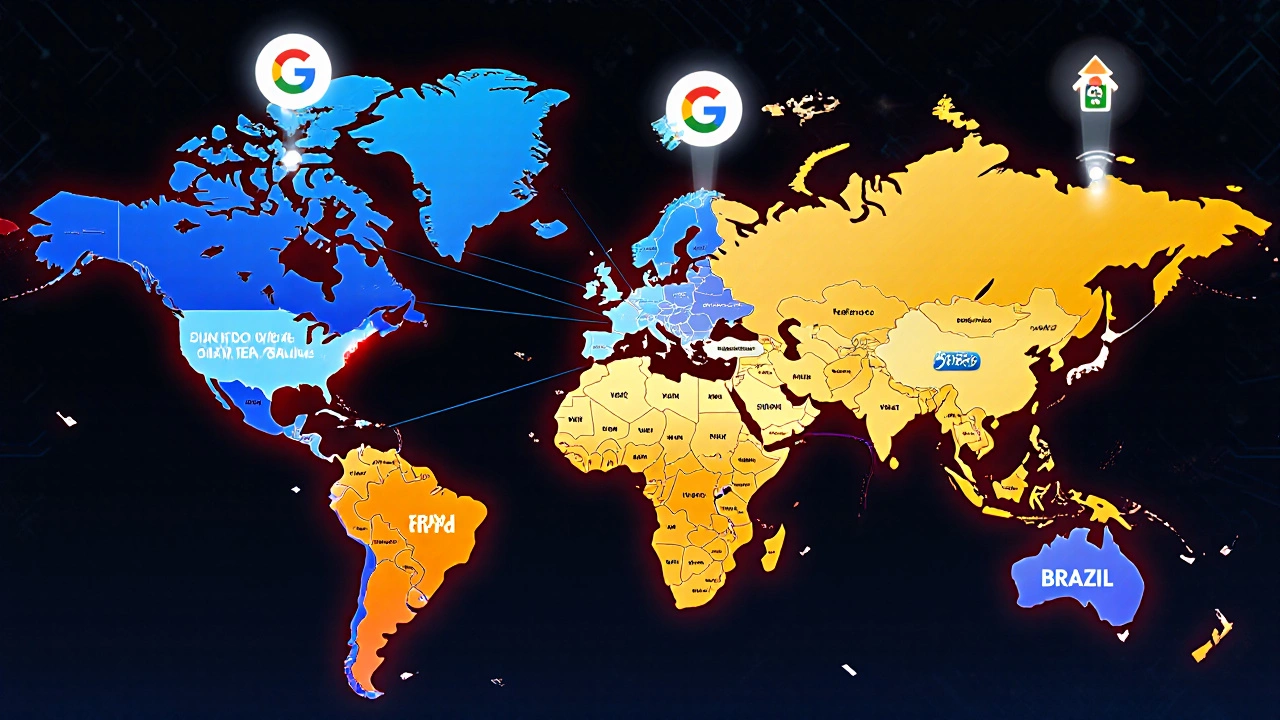
- Remote-first companies: Many U.S.-based companies hire developers from Eastern Europe, Latin America, or Southeast Asia. They pay 60-80% of U.S. salaries but still offer far more than local market rates.
- Freelancing platforms (Upwork, Toptal): Top 10% of freelancers earn $100+/hour. But you need a portfolio, client reviews, and the discipline to manage your own business.
One real example: A developer in Ukraine with 4 years of experience working remotely for a U.S. fintech startup earns $85,000/year-more than 80% of local professionals in Kyiv. That’s the power of remote work.
How Fast Can You Start Earning?
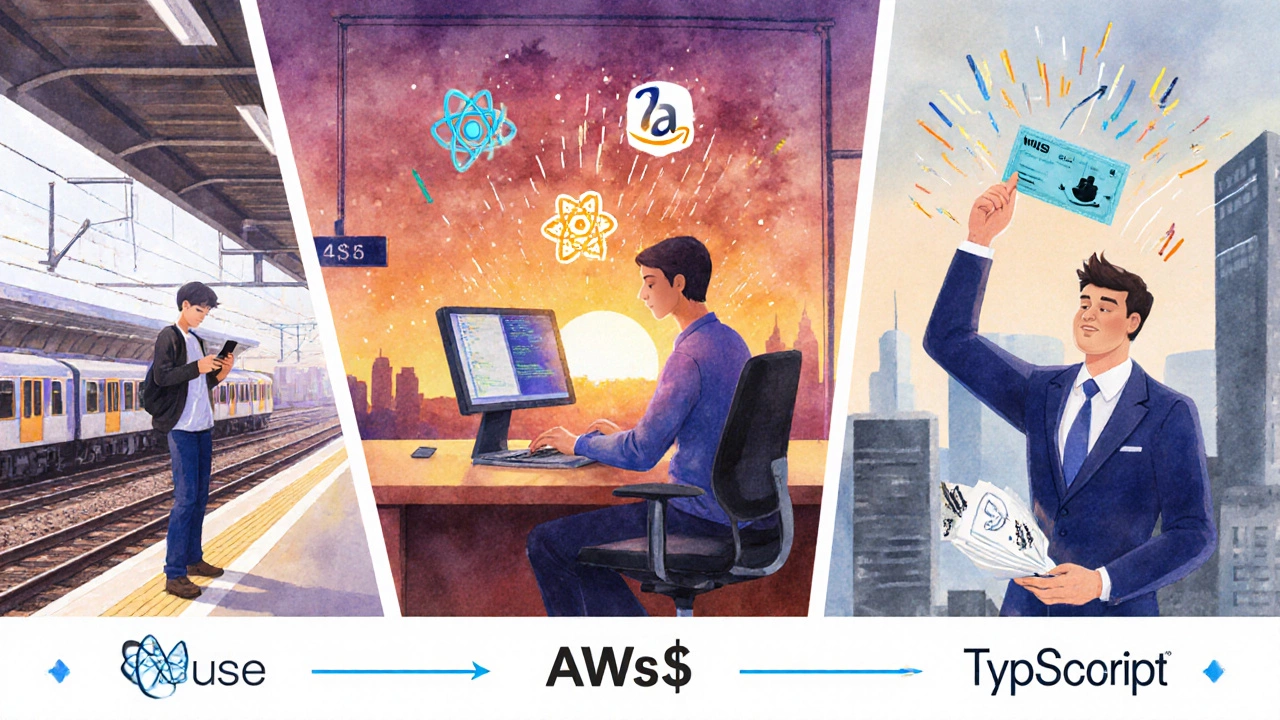
You don’t need a computer science degree. Most web developers today learned through bootcamps, online courses, or self-study. The timeline? Here’s what’s realistic:
- Months 1-3: Learn HTML, CSS, JavaScript basics. Build simple pages.
- Months 4-6: Learn React or Vue. Build 3-5 portfolio projects.
- Month 7: Start applying for junior roles or freelance gigs. Even $15/hour gigs on Upwork count as experience.
- Month 9-12: Land your first full-time job. Median starting salary: $65,000.
People who stick to a structured plan and build real projects consistently land jobs in under a year. Those who just watch tutorials and never code? They stay stuck.
What’s Holding People Back?
It’s not the learning curve-it’s mindset. Many people think they need to know everything before they start applying. They don’t. Employers don’t expect juniors to know every framework. They want someone who can learn fast, solve problems, and communicate clearly.
The biggest mistake? Waiting for perfection. You don’t need a flawless GitHub profile. You need 3 solid projects that show you can build something real. One person I know got hired after submitting a simple todo app that worked on mobile and had clean code. That’s it.
Another myth: you need to be a math genius. Web development is logic, not calculus. It’s about breaking problems into steps, reading documentation, and debugging. Anyone who can follow instructions and think critically can learn it.
Is It Worth It in 2025?
Let’s say you spend 6 months learning and then land a $70,000 job. That’s $5,800 a month. After taxes, you’re still taking home $4,000-$4,500. That’s more than most people make in entry-level office jobs without degrees.
And the demand isn’t slowing down. Every business-from local bakeries to Fortune 500 companies-needs a website. Every app needs a web interface. AI tools are making coding faster, but they’re not replacing developers. They’re replacing people who don’t know how to use them.
Web development is one of the few careers where you can start from zero, build skills on your own time, and earn a middle-class income within a year. It’s not a get-rich-quick scheme. But it’s one of the most predictable, scalable, and stable paths into tech.
What Comes Next?
Once you’re in, the real growth begins. The best web developers don’t stop at coding. They learn about product design, user behavior, and business goals. They become problem solvers, not just coders. That’s how you go from $70k to $150k.
Start with one language. Build one project. Apply for one job. Don’t wait for the perfect moment. The perfect moment is when you start.
Do web developers make more than software engineers?
It depends. Web developers focus on websites and web apps. Software engineers build desktop apps, mobile apps, or systems software. In most cases, senior software engineers earn more because they work on complex infrastructure. But top web developers-especially those in fintech, e-commerce, or AI-driven platforms-can match or exceed those salaries. The gap is narrowing as web apps become more powerful.
Can I become a web developer without a degree?
Yes, absolutely. Over 70% of web developers today don’t have a computer science degree. Employers care more about your portfolio, problem-solving skills, and ability to ship code than where you went to school. Bootcamps, freeCodeCamp, and Udemy courses have produced thousands of successful developers. What matters is what you can build-not what’s on your diploma.
Is web development a dead-end job?
No. Web development is a foundation, not a dead end. Many developers move into roles like product manager, tech lead, UX designer, or even founder. Others specialize further into areas like accessibility, performance engineering, or web security. The field evolves, but the demand for skilled builders keeps growing. If you keep learning, you’ll never be stuck.
How much time do I need to study each day?
Consistency beats intensity. Studying 1 hour a day, 5 days a week, will get you further than 8 hours on Saturday and nothing else. Focus on building small projects every week-even a simple calculator or to-do list. After 3 months, you’ll have a portfolio. After 6 months, you’ll be job-ready. The key is showing up daily, not burning out in marathon sessions.
Are web developers happy with their jobs?
According to 2025 developer surveys, web developers rank among the top 3 most satisfied tech roles. Why? Flexible hours, remote work options, creative freedom, and clear outcomes. You build something visible, and users interact with it immediately. That feedback loop is motivating. Stress comes from poor management or unrealistic deadlines-not the work itself.