Coding Classes: Learn to Build Websites, Apps, and Earn More
When you take coding classes, structured learning experiences that teach programming skills for building websites, apps, and software. Also known as programming courses, they’re no longer just for computer science students—anyone with curiosity and consistency can start today. You don’t need a degree. You don’t need to be a math genius. You just need to know how to break problems into small steps and keep showing up.
Coding classes often focus on web development, the process of building and maintaining websites using languages like HTML, CSS, and JavaScript, which is the most common path for beginners. From there, many move into full stack development, the ability to handle both the front-end (what users see) and back-end (server, database, logic) of an application. JavaScript is the glue here—it powers everything from buttons on a page to the server running behind it. That’s why so many posts here talk about React, Node.js, and MongoDB. These aren’t just buzzwords. They’re tools people use daily to build real products and get paid for it.
Some people think coding is only for young tech grads. But the truth? A lot of successful developers started in their 30s, 40s, or even later. They came from teaching, sales, nursing, or even stayed home with kids. What they had in common? They didn’t wait to feel "ready." They picked one thing—like building a simple website—and did it again, every day. You’ll see that in posts about how non-IT people learn full stack, or how much web developers earn without a degree. The numbers don’t lie: entry-level roles start at $65K+ in the U.S., and freelancers charge $50+ an hour. You don’t need a certificate. You need a portfolio. And coding classes give you the path to build one.
Not all coding classes are the same. Some teach you to click through templates. Others push you to write real code, fix bugs, and deploy live projects. The ones that work? They make you build something useful—like a personal portfolio site, a to-do app, or even a small business website. That’s what you’ll find in the posts below: honest breakdowns of what to learn, what tools to use, how long it takes, and how to turn it into income. Whether you’re wondering if React is still the best framework, or if you need to code to be a UX designer, the answers are here. No fluff. Just what works.
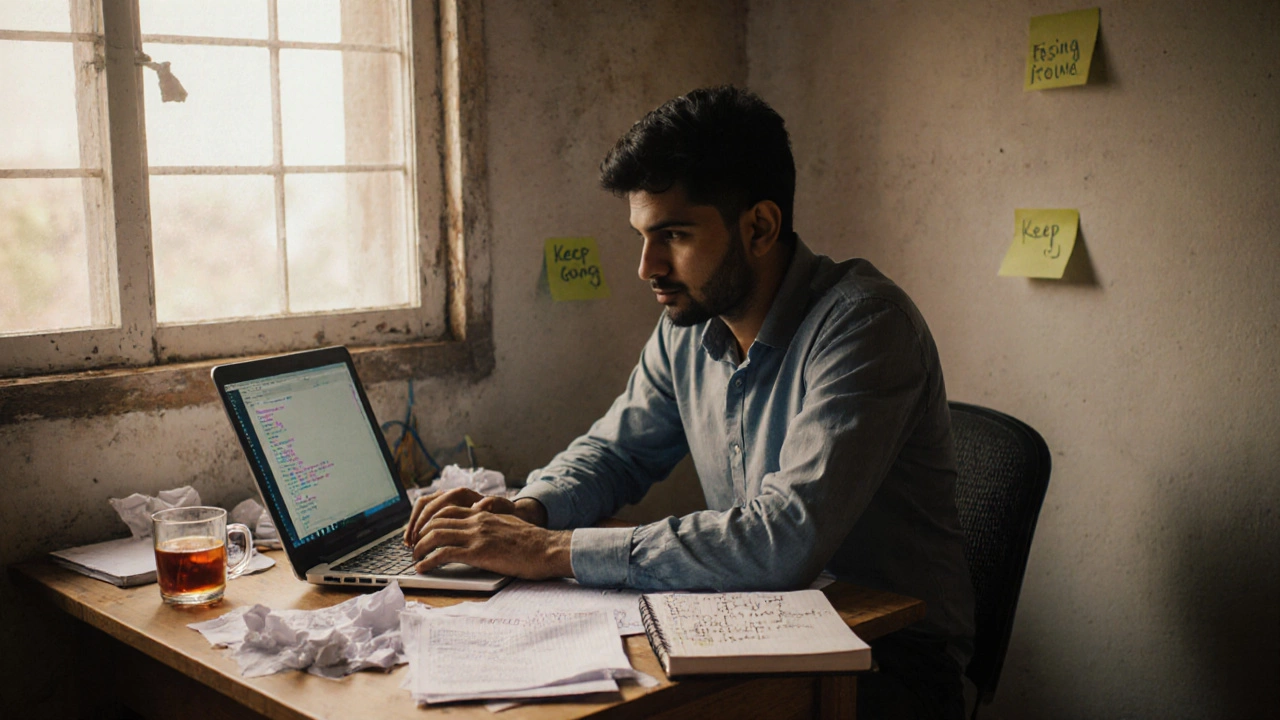
How Long Does It Really Take to Learn to Code?
Learning to code doesn't happen overnight. Realistically, it takes weeks to build your first project, months to land a job, and years to master. This guide breaks down what to expect based on your goals, not hype.

Can I Code On My Own? How to Learn Programming Solo
Can you really learn to code without formal classes or a teacher? This article unpacks what it’s like to start programming on your own. You’ll find out what works, what gets in the way, and who really makes it. Expect real-world tips, honest truths, and practical advice for anyone curious about self-taught coding.

How Old is the Average Coder?
Ever wondered how old the average coder is? With coding becoming essential across various industries, the age range of programmers is expanding. Discover how the demographics are shifting, why coding appeals to different age groups, and what this means for aspiring coders. Explore tips for individuals of any age to start learning programming today.