JavaScript: The Core Language Behind Modern Web Development
When you click a button, scroll a page, or see live updates without reloading, you’re seeing JavaScript, a programming language that brings websites to life by controlling how content behaves in the browser. Also known as JS, it’s the only language that runs natively in every web browser — no plugins, no downloads, just pure code working behind the scenes. It’s not just for simple animations anymore. Today, JavaScript drives entire applications, from Netflix’s interface to Amazon’s shopping cart, and even mobile apps through frameworks like React Native.
React, a JavaScript library built by Facebook, is now the most used tool for building user interfaces. It doesn’t replace JavaScript — it builds on top of it. If you want to build modern websites, you start with JavaScript, then learn React to structure your code efficiently. Many of the posts here show how people without tech degrees used JavaScript to land jobs as front-end developers, full-stack developers, or even freelance web designers. You don’t need a computer science degree. You need consistent practice, real projects, and the willingness to learn by doing.
JavaScript is also the foundation for full-stack development. Once you master it, you can move into back-end work with Node.js, connect to databases, and handle server logic — all in the same language. That’s why so many beginners choose JavaScript: it opens doors across the entire web stack. And with over 60% of web traffic coming from mobile, knowing JavaScript means you can build responsive, fast, and user-friendly sites that work everywhere.
From learning how to build your first website in three months to understanding why React dominates in 2024, the posts below show real paths people took — no fluff, no theory, just what worked. Whether you’re wondering if you can learn this without a degree, how much you can earn, or which tools to focus on next, you’ll find clear, practical answers here.
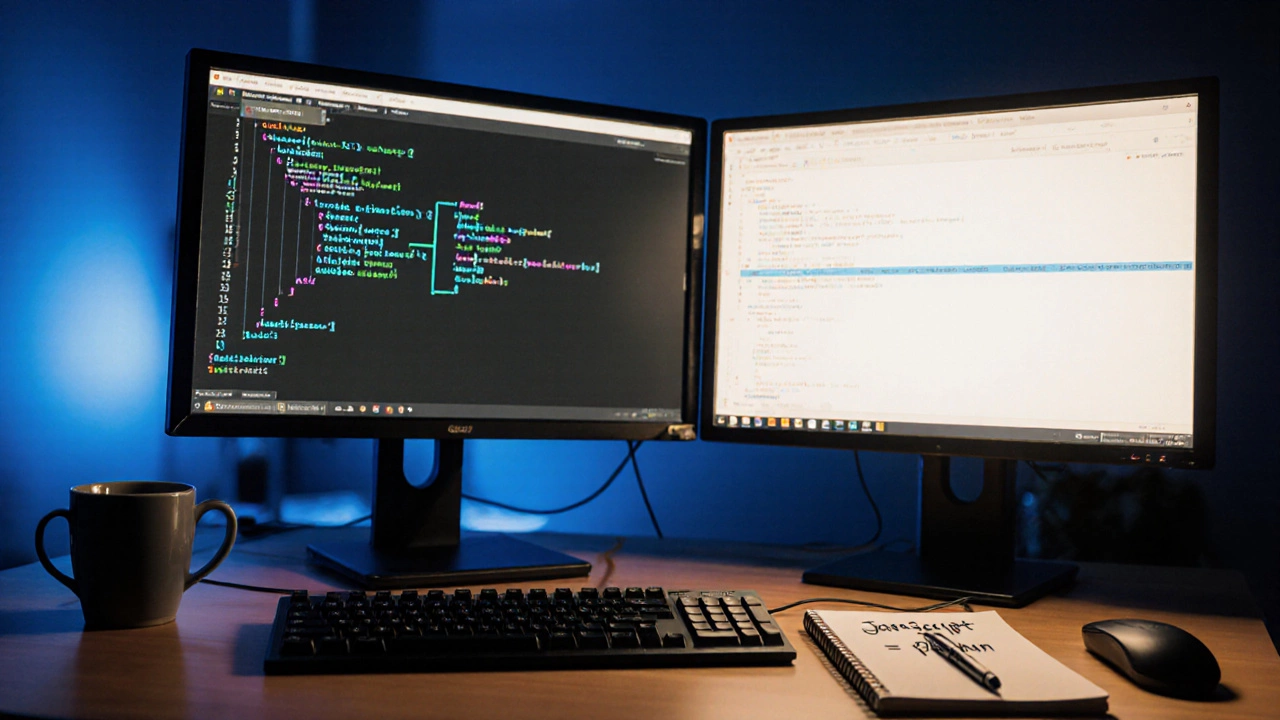
What Is the Best Language for Full Stack Developer in 2025?
JavaScript is the best language for full stack developers in 2025 because it powers both front-end and back-end development. Learn React, Node.js, and MongoDB to build full apps with one language.
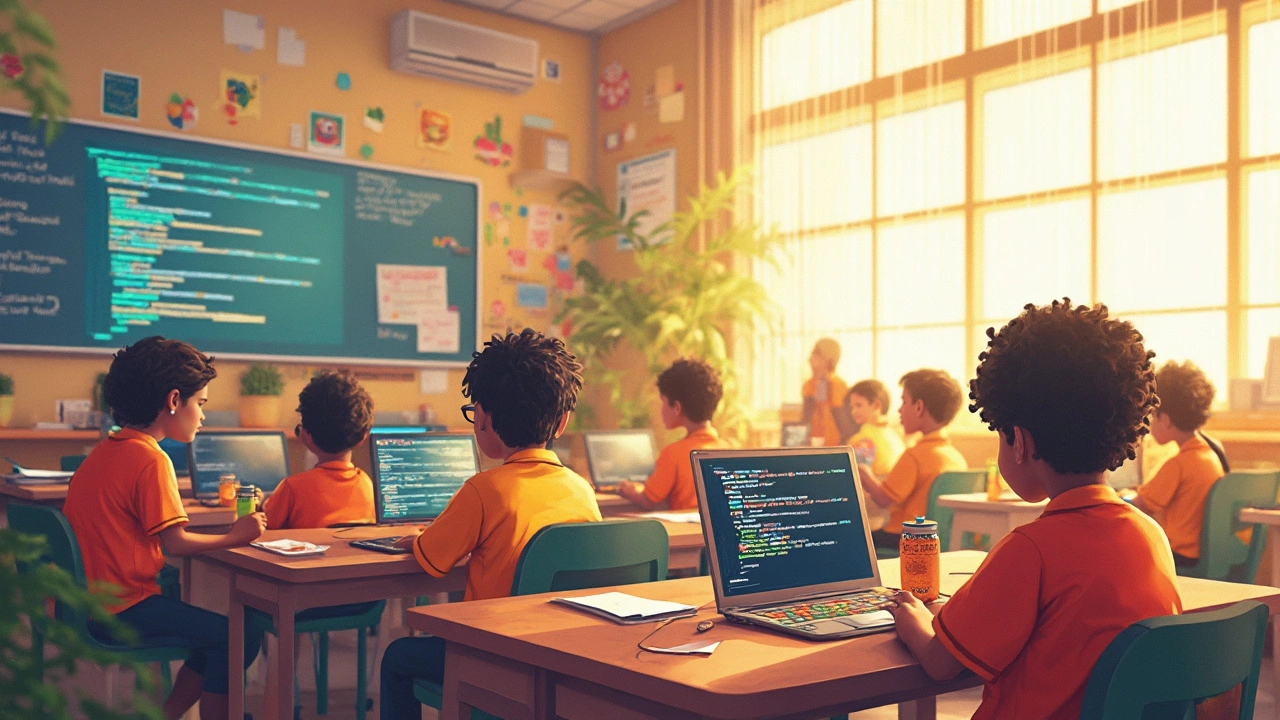
Should I Learn C Before JavaScript? Cut Through the Confusion
Torn between starting with C or diving right into JavaScript? This article breaks down the real reasons why people ask this question, busts common myths, and focuses on what actually matters for today’s web developers and beginners. Expect a practical look at how each language teaches you programming, what skills transfer, and where your time is best spent if your main goal is to learn JavaScript. Plus, get handy tips to avoid common time-wasters and build confidence as you choose your first coding language.

Will Python Beat JavaScript: An In-Depth Look
Python and JavaScript, two powerhouse programming languages, continue to battle for supremacy. Python's allure is its simplicity and readability, making it a preferred choice for newcomers and data scientists. JavaScript, the backbone of web development, enables dynamic and interactive web pages. This article delves into the strengths, uses, and evolution of both languages, questioning if Python will surpass JavaScript or if each will maintain its domain.

Python vs Java: What to Learn for JavaScript Enthusiasts
Deciding whether to learn Python or Java can be a challenge, especially for those who have a background in JavaScript. This article explores the strengths and weaknesses of Python and Java, their use cases, and how they complement the knowledge of JavaScript developers. From the ease of syntax in Python to the robustness of Java, it helps guide readers in making an informed choice. This article aims to offer practical insights and tips for embarking on a new programming journey.

JavaScript vs Java: Which is More Beginner-Friendly?
JavaScript and Java, despite their similar names, serve different purposes in the programming world. This article explores the learning curve of each language to determine which is easier for beginners. By examining their syntax, real-world applications, and learning resources available, this article provides insights into how each language can benefit aspiring programmers. Readers are guided through practical examples and tips to understand the nuances of Java and JavaScript.