Learning to Code: What It Takes and Where to Start
When you start learning to code, the process of writing instructions computers understand to build websites, apps, or tools. Also known as programming, it’s no longer a mystery reserved for computer science majors. Millions of people—from stay-at-home parents to career changers—have picked up coding without any formal background. You don’t need a degree. You don’t need to be a math genius. You just need to start small, stay consistent, and build something real.
Most people begin with JavaScript, the language that powers nearly every website you visit, from simple buttons to complex apps like Netflix. It’s the only language that runs in browsers and on servers, making it the most practical first step for web development. Once you get comfortable with JavaScript, you’ll naturally move into tools like React, a framework that lets you build fast, interactive user interfaces used by companies like Facebook and Airbnb. This is where full stack developer skills begin to take shape—front-end and back-end, all in one language. You’ll also learn how to handle data with databases like MongoDB, manage server logic with Node.js, and deploy your projects online. The path isn’t linear, but it’s clear: build something, break it, fix it, repeat.
What makes learning to code different from traditional education is how fast you see results. You don’t wait months for a grade—you publish a website in a weekend. You don’t memorize theories—you solve real problems. That’s why people who switch careers into tech often land jobs faster than those with degrees. Employers care about what you can build, not where you went to school. The posts below show you exactly how to get there: how much you can earn without a degree, how to pick the right learning platform, whether you need to know Python or if JavaScript is enough, and how non-tech people just like you have made the jump.
Whether you want to freelance, land a job, or just understand how the digital world works, learning to code gives you control. The tools are free. The resources are everywhere. And the demand? It’s only growing. Below, you’ll find real stories, real salaries, and real steps—no fluff, no theory, just what works.
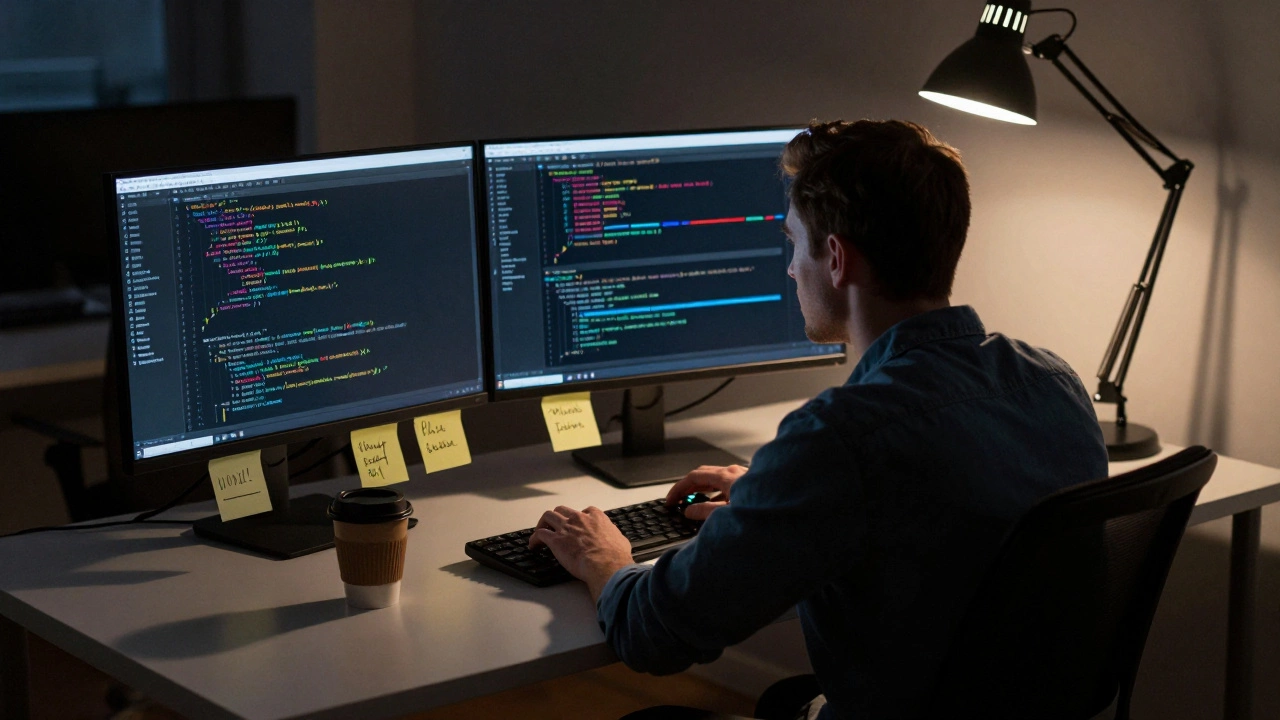
What Is the Hardest Thing to Learn in Coding?
The hardest thing to learn in coding isn't syntax or algorithms-it's debugging and thinking like a computer. Most learners quit because they don't know how to solve problems when things break.
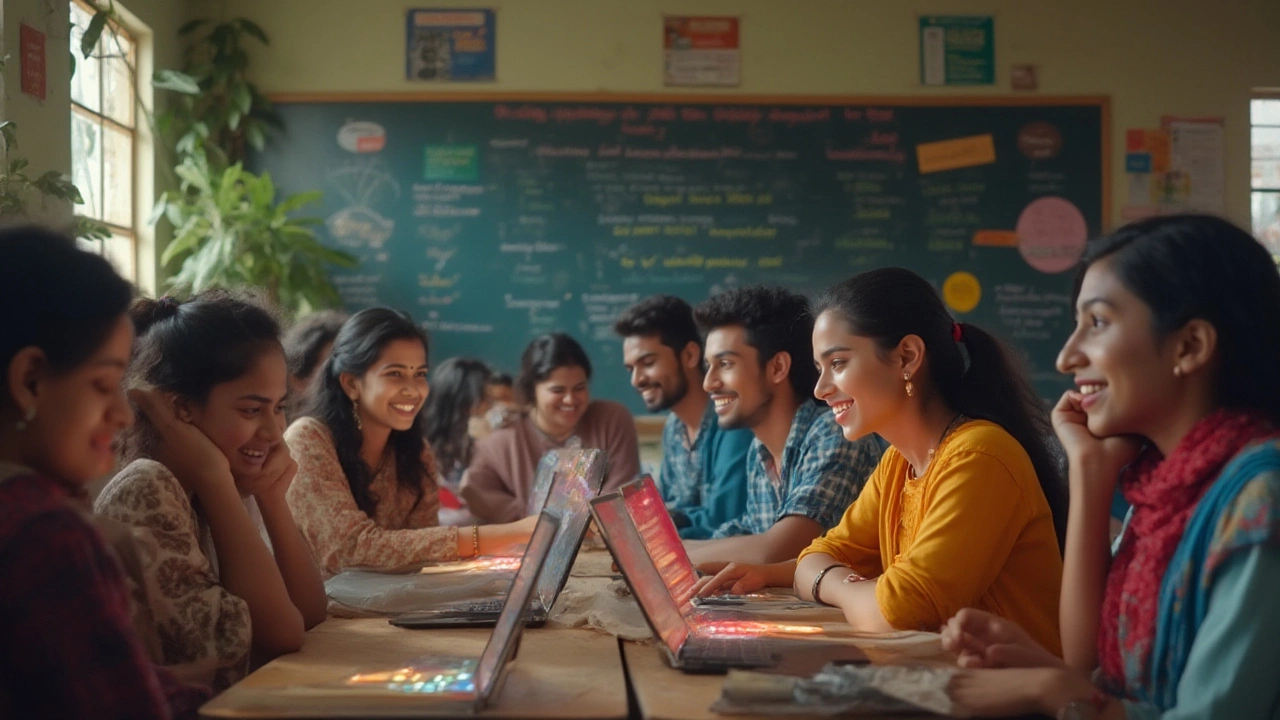
Is Coding Hard for Beginners? Honest Insights, Obstacles, and Surprising Tips
Ever wondered if coding is tough for newbies? Dig into the myths, obstacles, real stats, and honest advice for learning to code as a total beginner.
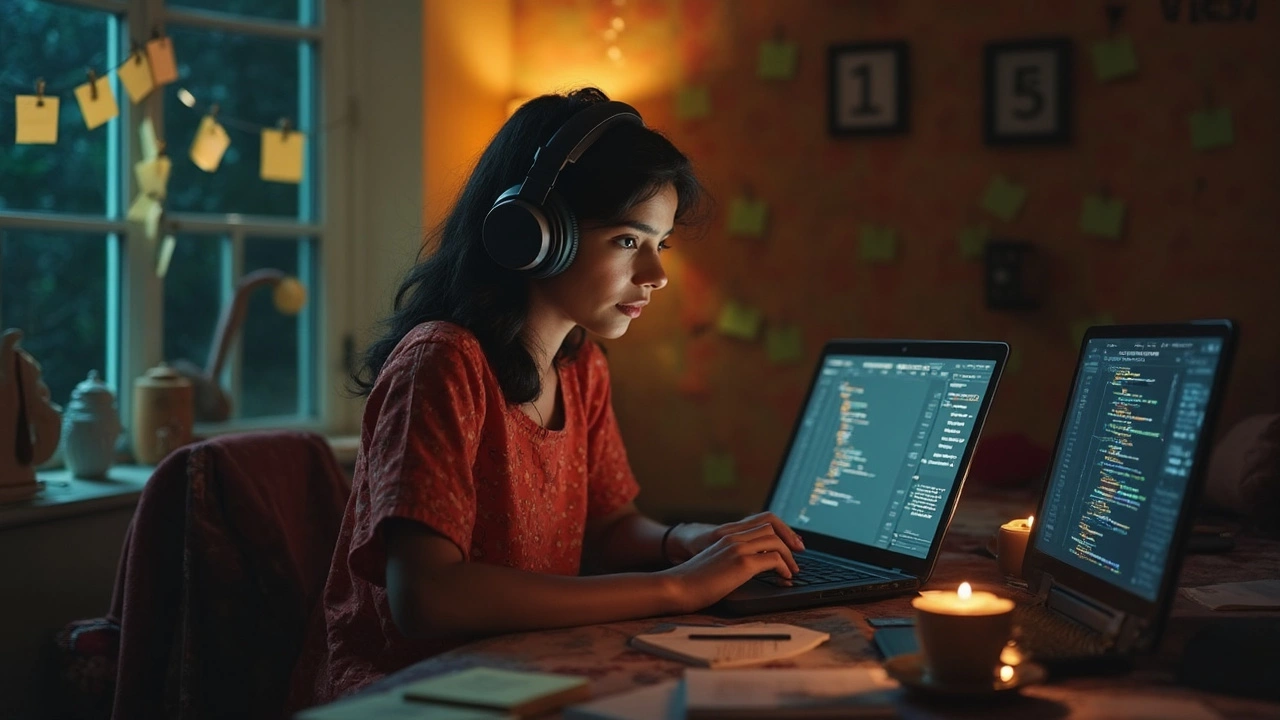
Can I Code On My Own? How to Learn Programming Solo
Can you really learn to code without formal classes or a teacher? This article unpacks what it’s like to start programming on your own. You’ll find out what works, what gets in the way, and who really makes it. Expect real-world tips, honest truths, and practical advice for anyone curious about self-taught coding.