Technology in Education: How Tech Is Changing How India Learns
When we talk about technology, the use of digital tools and systems to solve problems and improve processes. Also known as digital innovation, it’s no longer just about computers—it’s about how learning happens, who gets access, and what skills actually matter in today’s world. In India, technology is tearing down old walls. You don’t need to be in a top-tier college in Delhi or Bangalore to learn full stack development. You don’t need a degree to earn a solid salary as a web developer. All you need is a laptop, internet, and the drive to keep going.
That shift is powered by web development, the process of building and maintaining websites using languages like JavaScript, HTML, and CSS. It’s one of the most accessible entry points into tech, and it’s why so many non-IT people are becoming full stack developers. Tools like React, a JavaScript library for building user interfaces and platforms like Udemy, an online learning marketplace offering courses on coding, design, and business have made learning practical, affordable, and results-driven. You can learn WordPress development in a few months. You can build real projects without waiting for a syllabus. And you can even get paid while you learn—some platforms actually pay you to complete projects or teach others.
And it’s not just about coding. EdTech, technology used to enhance and support education is changing how millions prepare for exams like JEE or NEET. Companies like BYJU’s use AI to personalize lessons, track progress, and make complex topics easier to understand. Meanwhile, responsive web design isn’t just a buzzword—it’s a necessity. If a learning platform doesn’t work on mobile, students in small towns with limited access to desktops are left behind. Technology in education isn’t about flashy gadgets. It’s about removing barriers: cost, location, language, and rigid structures.
What you’ll find below isn’t a list of random tech articles. It’s a map of real paths people are taking right now. From how much web developers earn without a degree, to whether you need a CS degree to become a full stack developer, to why React dominates in 2024—these are the questions students and career-changers are asking. And the answers? They’re not in textbooks. They’re in what’s working today, in India and beyond. Whether you’re a CBSE student thinking about studying abroad, a teacher wondering how to adapt, or someone with zero tech background trying to break in—you’ll find something here that speaks directly to your situation. No fluff. No theory without practice. Just real insights from people who’ve been there.
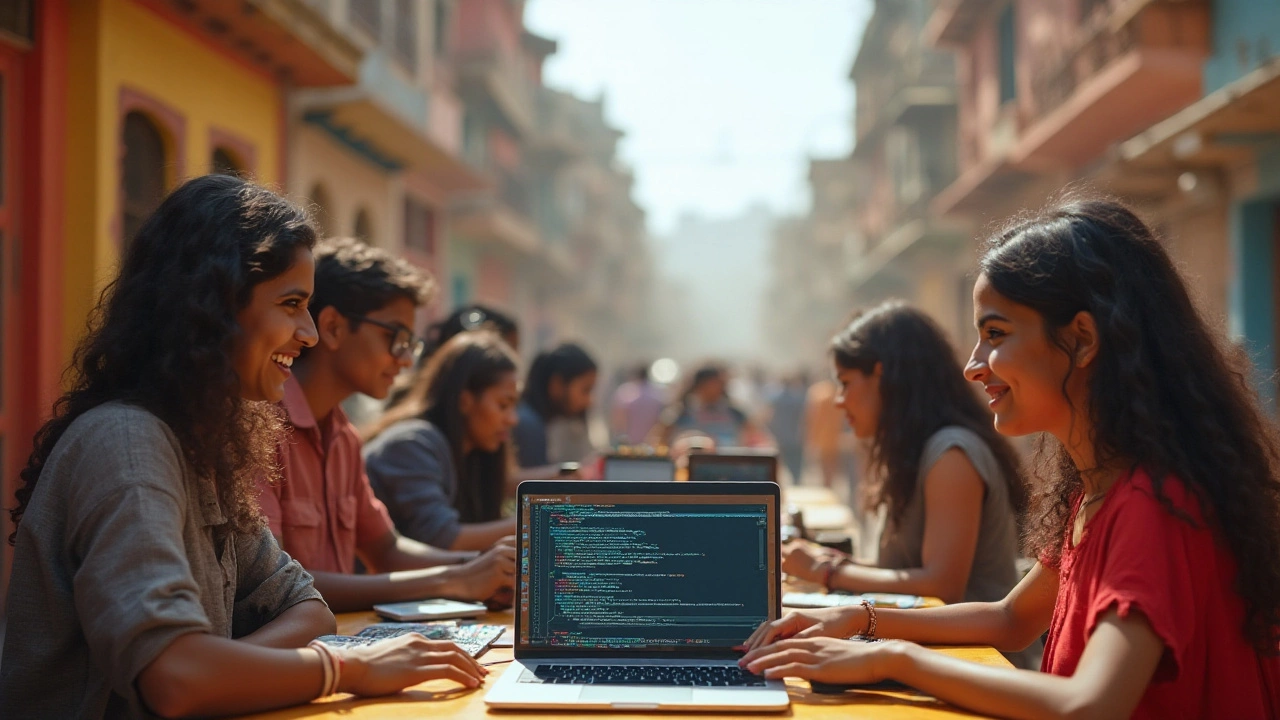
Discovering the Most Popular Web Development Framework Today
Web frameworks are vital in modern web development, streamlining processes and enhancing creativity. This piece explores the most cherished framework in the industry right now, delving into why developers embrace it. We look at its features, community support, and unique attributes that make it a favorite. Aiming to provide insights into trends and tips, the article serves as a reliable guide for both novices and seasoned developers venturing into web development.