Web Development Roadmap: Skills, Tools, and Paths to Success in 2025
When you start building websites, you need a web development roadmap, a step-by-step guide showing what to learn, when to learn it, and how to turn skills into a job or freelance income. Also known as a learning path, it’s not about memorizing code—it’s about building things that work, one project at a time. The best roadmaps don’t start with theory. They start with a simple webpage that loads, looks good on phone and desktop, and lets users click buttons. That’s it. No fancy jargon. No 100-hour courses. Just real progress.
You don’t need a computer science degree. You don’t need to learn every language at once. The most common path today starts with HTML, the structure of every webpage and CSS, how websites look and feel. Then comes JavaScript, the language that makes websites interactive. It’s the only language that runs in every browser, and it powers both front-end and back-end work. That’s why it’s the backbone of almost every modern website. From there, most people move into a framework like React, the most used interface library for building dynamic user interfaces. It’s not magic—it’s just a tool that helps you build complex apps faster, like the ones behind Facebook, Netflix, and thousands of startups.
What comes after that? It depends on where you want to go. Some stick to the front end—making sure buttons work, forms submit, and animations feel smooth. Others dive into back-end work with Node.js or PHP to handle data, logins, and payments. WordPress development is another strong path—building custom sites without relying on plugins. And yes, you can learn all this without a degree. Many web developers today started with free tutorials, built a few sites for friends, and landed their first job because they had something to show.
The roadmap isn’t linear. You won’t finish one thing before starting the next. You’ll learn HTML while trying to style a button. You’ll write JavaScript while fixing a broken form. You’ll use React while wondering why your page doesn’t update. That’s normal. The key is consistency. Spend 30 minutes a day building something, even if it’s small. Fix one bug. Add one feature. Make one site live. Over time, those small steps add up to skills that pay well. In 2025, entry-level web developers earn over $65K in the U.S., and freelance rates for beginners in India are rising fast. You don’t need to be the smartest person in the room—you just need to keep showing up.
Below, you’ll find real advice from people who’ve walked this path. How much should you charge as a beginner? Can you learn WordPress without coding? Is React still the best choice? Should you worry about UX design if you’re coding? These aren’t theoretical questions. They’re the ones people ask every day when they’re trying to break in. The posts here answer them with straight talk—no fluff, no hype, just what works.
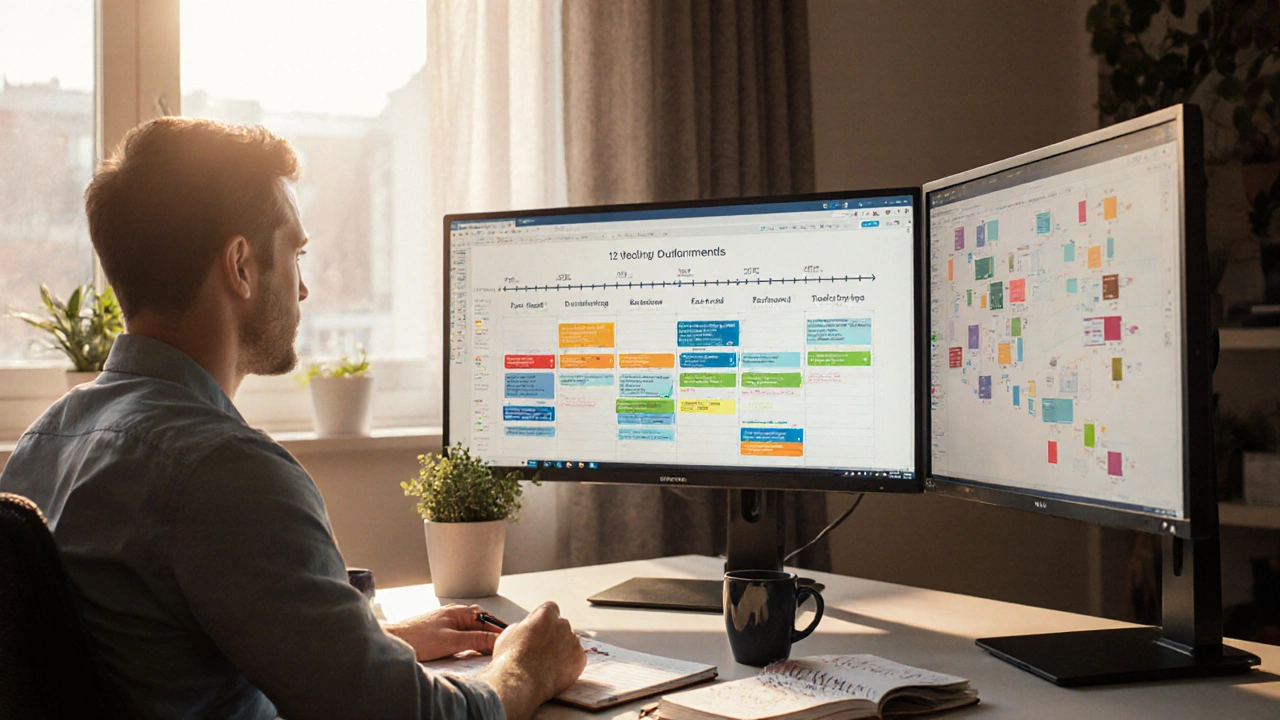
Master Web Development in 3 Months: Realistic Roadmap & Tips
Discover a practical 12‑week roadmap, essential resources, and realistic expectations to master web development in three months and build a job‑ready portfolio.