Distance vs Online Learning Decision Tool
Find your best learning path
Take this quick assessment to discover whether distance learning or online learning best fits your situation based on your circumstances.
Many people think distance learning and online learning are the same thing. They’re not. At first glance, both seem like ways to study without being in a classroom. But the real difference lies in how they’re designed, delivered, and experienced. If you’re trying to choose between them - whether for your own education or someone else’s - understanding this gap matters more than you think.
Distance learning is about flexibility, not just internet access
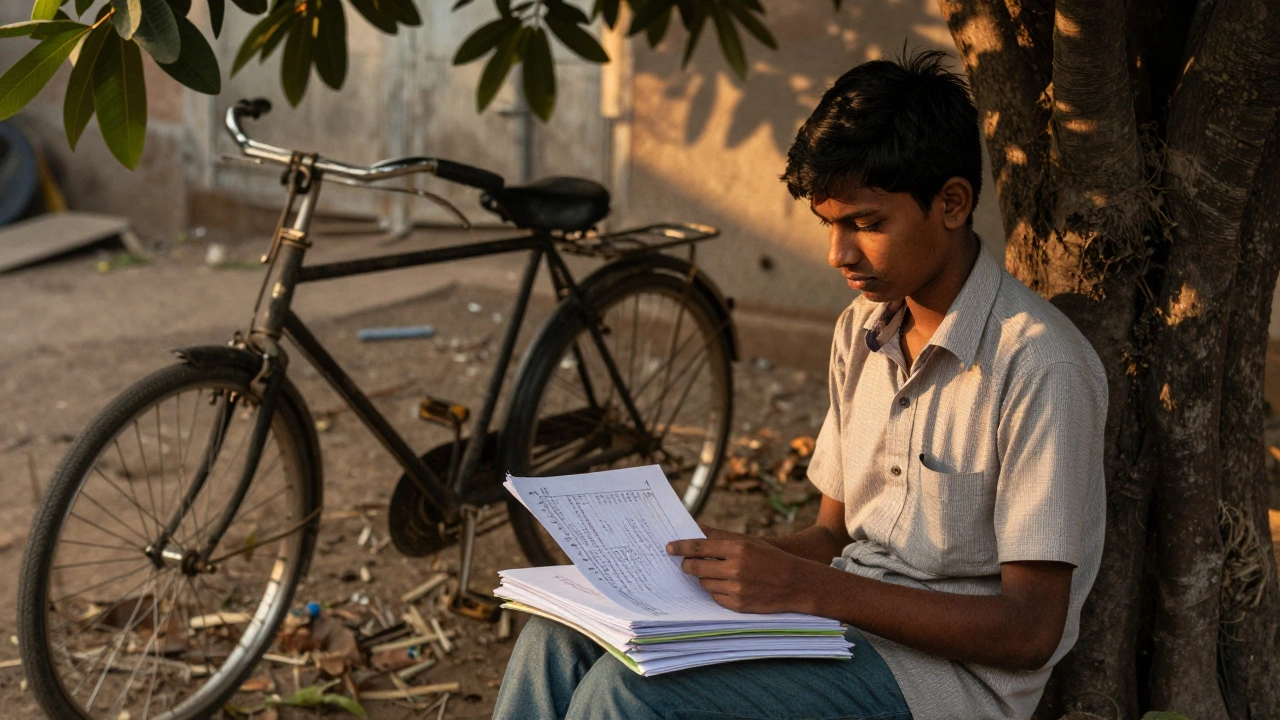
Distance learning has been around for over a century. It started with mailed textbooks and cassette tapes. Today, it still follows that core idea: learning happens separately from the instructor, with minimal real-time interaction. You get materials - PDFs, printed modules, recorded video lectures - and work through them on your own schedule. There’s no live class. No Zoom meeting. No chat room you’re expected to join every week.
Think of someone in rural Rajasthan studying for a civil service exam using a government-issued study kit. Or a factory worker in Tamil Nadu completing a diploma through postal assignments. These aren’t tech-heavy setups. They’re built for people with poor internet, irregular power, or limited digital skills. The focus isn’t on streaming videos or interactive quizzes. It’s on delivering content reliably, even if it takes weeks to get feedback.
Online learning is interactive, structured, and often real-time
Online learning, by contrast, is built for connection. It uses digital platforms - LMS like Moodle, Google Classroom, or even Discord - to create active learning environments. You’re expected to log in, participate in live sessions, submit assignments through portals, and engage with peers. Many courses include live Q&A, breakout rooms, peer reviews, and instant feedback.
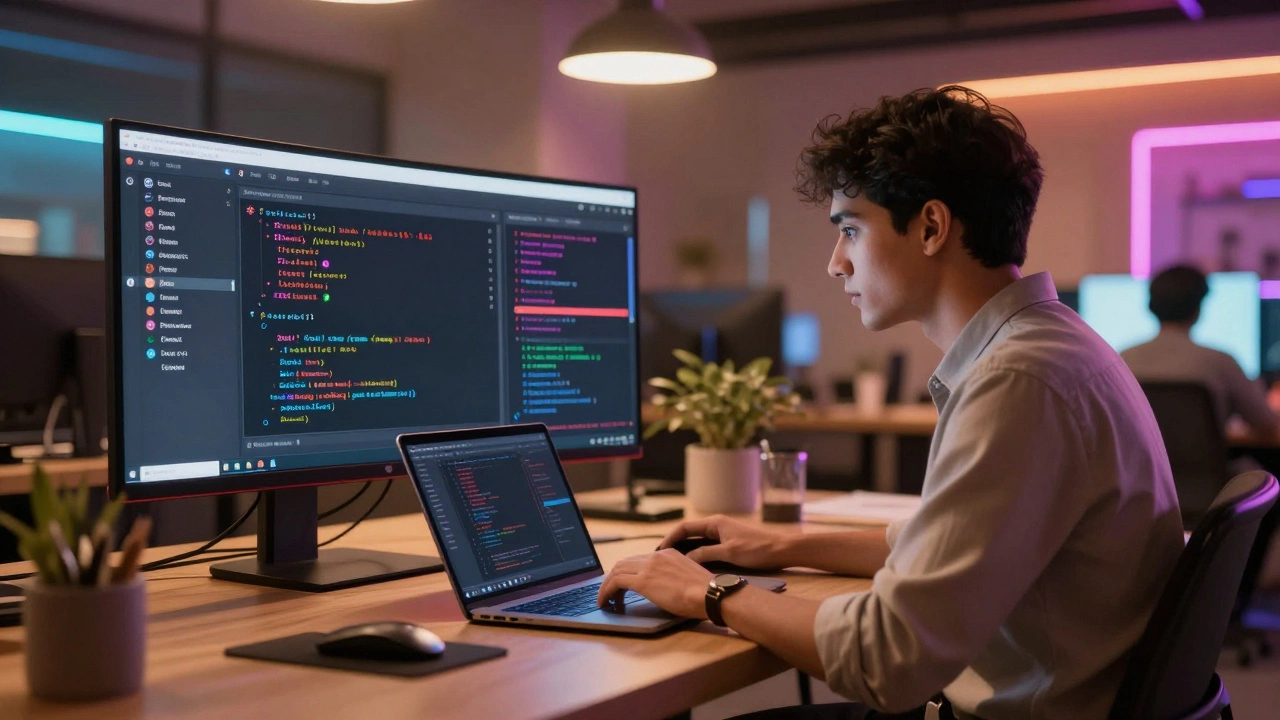
Take a student in Bangalore taking a Python course from a platform like Coursera. They join weekly live coding sessions, submit projects via GitHub, get automated grading on quizzes, and post questions in a forum that gets replies within hours. This isn’t just watching videos. It’s being part of a digital classroom with deadlines, discussions, and accountability.
Technology isn’t the dividing line - structure is
A common myth is that online learning means high-speed internet and fancy apps. But you can have online learning on a basic smartphone. And you can have distance learning with a tablet and Wi-Fi. The real difference is in structure.
- Distance learning: Self-paced, minimal interaction, delayed feedback, materials delivered asynchronously (email, post, USB drives).
- Online learning: Scheduled activities, frequent interaction, immediate feedback, materials delivered through interactive platforms.
One is like reading a textbook with occasional mail-in tests. The other is like attending a virtual university with daily assignments and group projects.
Who benefits from each?
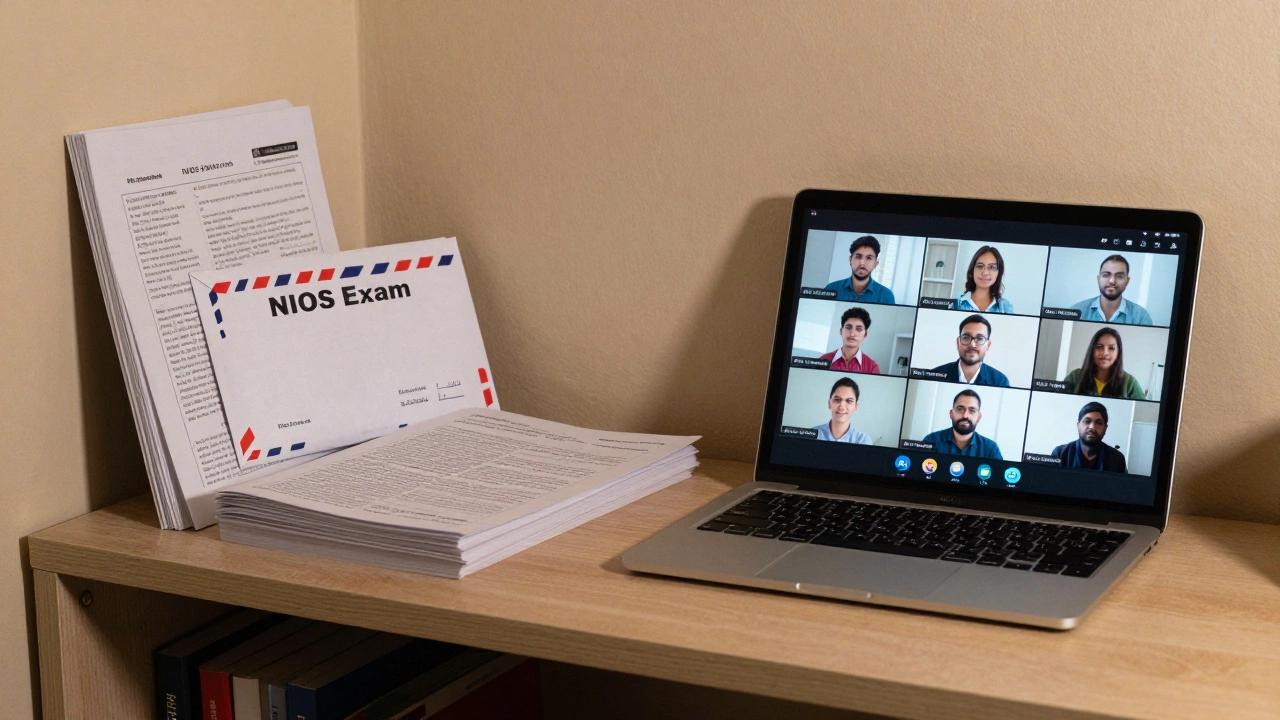
Distance learning still plays a vital role - especially in India. Over 60% of learners in tier-2 and tier-3 cities rely on it because of unreliable internet. The National Institute of Open Schooling (NIOS) serves over 4 million students annually, mostly through printed materials and offline exams. It’s not outdated - it’s essential for accessibility.
Online learning thrives where connectivity allows. Urban professionals, college students, and certification seekers use it to upskill fast. Platforms like NPTEL, SWAYAM, and Udemy offer structured programs with certificates, peer interaction, and instructor-led feedback. If you can log in daily and respond to deadlines, online learning gives you more engagement, more support, and often faster results.
Assessment: How you’re tested tells the story
How you’re evaluated reveals the real difference.
In distance learning, assessments are often:
- Mail-in assignments
- Offline pen-and-paper exams at regional centers
- Delayed grading (weeks or months)
In online learning, assessments are:
- Timed quizzes on the platform
- Live presentations via video
- Automated grading with instant results
- Peer-reviewed projects
One gives you time to think. The other tests how you perform under structure.
Which one should you choose?
If you’re:
- Working full-time with erratic hours → Distance learning lets you learn when you can.
- Living in an area with unstable internet → Distance learning avoids frustration.
- Prepping for competitive exams like UPSC or SSC → Many coaching centers now offer hybrid models - distance materials with optional online doubt-clearing sessions.
- Wanting certifications, networking, or job-ready skills → Online learning gives you interaction, feedback, and digital proof of completion.
There’s no ‘better’ option. It’s about fit. Distance learning is resilient. Online learning is dynamic. The best choice depends on your environment, your rhythm, and what you need from the experience - not just what’s trendy.
Hybrid models are the new normal
Most serious programs today blend both. A university might send you printed study guides (distance) but require you to attend weekly Zoom sessions (online). A coding bootcamp might offer pre-recorded lectures (distance) but host live hackathons (online).
That’s the future: not choosing one or the other, but using the strengths of both. Distance for stability. Online for engagement. Together, they cover more ground than either alone.