3 Months Learning Plan: Build Real Skills in Web Development and Tech
When you start a 3 months learning plan, a focused, time-bound approach to mastering a skill through daily practice and clear milestones. Also known as intensive skill-building roadmap, it works best when you treat it like a job—show up, show progress, and ship something real every week. This isn’t about memorizing syntax or watching 50-hour YouTube playlists. It’s about building actual websites, fixing real bugs, and getting feedback from people who’ve done it before.
A 3 months learning plan, a focused, time-bound approach to mastering a skill through daily practice and clear milestones. Also known as intensive skill-building roadmap, it works best when you treat it like a job—show up, show progress, and ship something real every week. This isn’t about memorizing syntax or watching 50-hour YouTube playlists. It’s about building actual websites, fixing real bugs, and getting feedback from people who’ve done it before.
Most people quit because they don’t see results fast enough. But if you structure your time right, you can go from zero to building a working portfolio in 90 days. Start with HTML, CSS, and JavaScript—the core trio behind every website. Then add React, the most used frontend framework in 2024, powering everything from small blogs to giant apps like Facebook and Netflix. You don’t need to learn everything. Focus on one path: front-end first, then add Node.js, a JavaScript runtime that lets you build server-side apps, making you a full-stack developer without switching languages. Skip Python or Java unless you have a specific reason. Stick to one stack. Depth beats breadth.
What about projects? Don’t wait until you’re "ready." Build a personal portfolio site by week two. By month two, rebuild a real website you like—just for practice. By month three, make something that solves a small problem: a to-do list app with local storage, a weather widget that pulls real data, or a simple blog with a contact form. These aren’t fancy, but they’re real. Employers care more about what you’ve built than what you’ve watched.
You don’t need a degree. You don’t need to be a genius. You just need consistency. Ten focused hours a week beats five chaotic ones. Use free tools like VS Code, freeCodeCamp, and GitHub. Join one community—Discord, Reddit, or a local meetup. Ask one question a week. Get one person to review your code. That’s how you grow.
And yes, you can do this even if you’ve never coded before. People with no tech background have landed jobs after 3 months of this kind of plan. It’s not magic. It’s momentum. Each small win builds confidence. Each bug you fix makes you sharper. Each project you finish proves you can learn.
Below, you’ll find real guides that break down exactly how to make this plan work—whether you’re learning web development, trying to earn while you learn, or wondering if you need a degree to get started. These aren’t theory pieces. They’re roadmaps written by people who’ve walked the path. Pick one, start today, and don’t look back.
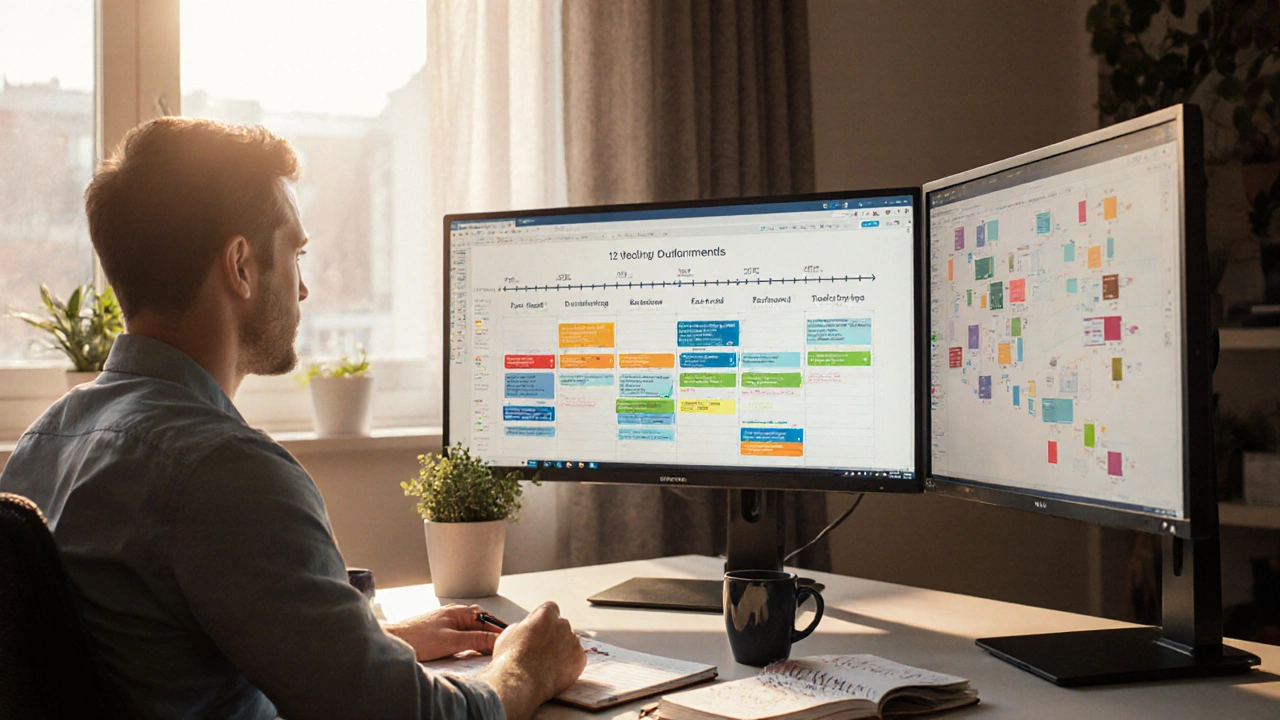
Master Web Development in 3 Months: Realistic Roadmap & Tips
Discover a practical 12‑week roadmap, essential resources, and realistic expectations to master web development in three months and build a job‑ready portfolio.