Programming Skills: What You Need to Learn and How to Get Paid for Them
When you hear programming skills, the ability to write code that tells computers what to do. Also known as coding, it’s no longer just for computer science grads—it’s a practical tool anyone can pick up to build websites, apps, and even earn a living. You don’t need a degree. You don’t need to be a math genius. You just need to start small, stay consistent, and focus on what actually gets you hired.
Most people think programming means learning a dozen languages at once. But the truth? JavaScript, the language that runs most websites and apps today is all you need to begin. It powers the front end (what users see) and the back end (what runs behind the scenes) when you pair it with Node.js. That’s why it’s the top pick for full stack developer, someone who can handle both the user interface and server logic roles. You’ll see this come up again and again in the posts below—because companies aren’t hiring people who know Python or Java in isolation. They’re hiring people who can build full apps with JavaScript, React, and MongoDB.
And here’s the kicker: you don’t need to go to college to get paid for these skills. Entry-level web developers without degrees are making $65,000+ in the U.S. and much more as freelancers in India. The key isn’t your resume—it’s your portfolio. Build three real projects. Put them online. Show you can solve problems. That’s what matters. Whether you’re learning WordPress development, a system that lets you build websites without writing everything from scratch, or diving into responsive design so your site works on phones, tablets, and desktops, the goal is the same: create something useful that people can use.
Some of the posts here answer the questions you’re probably asking: Can a non-IT person really learn this? How much should you charge as a beginner? Do you need to code if you’re a UX designer? Is React still the best framework? These aren’t theoretical questions—they’re real concerns from people just like you, trying to break into tech without the traditional path. The answers aren’t complicated. They’re practical. They’re based on what’s working right now in 2025, not what textbooks say.
You’ll find advice on pricing your first freelance gigs, which learning platforms actually pay you while you learn, and how to turn a weekend project into a portfolio piece that gets noticed. There’s no fluff. No hype. Just what you need to know to start building, earning, and growing—without waiting for permission.
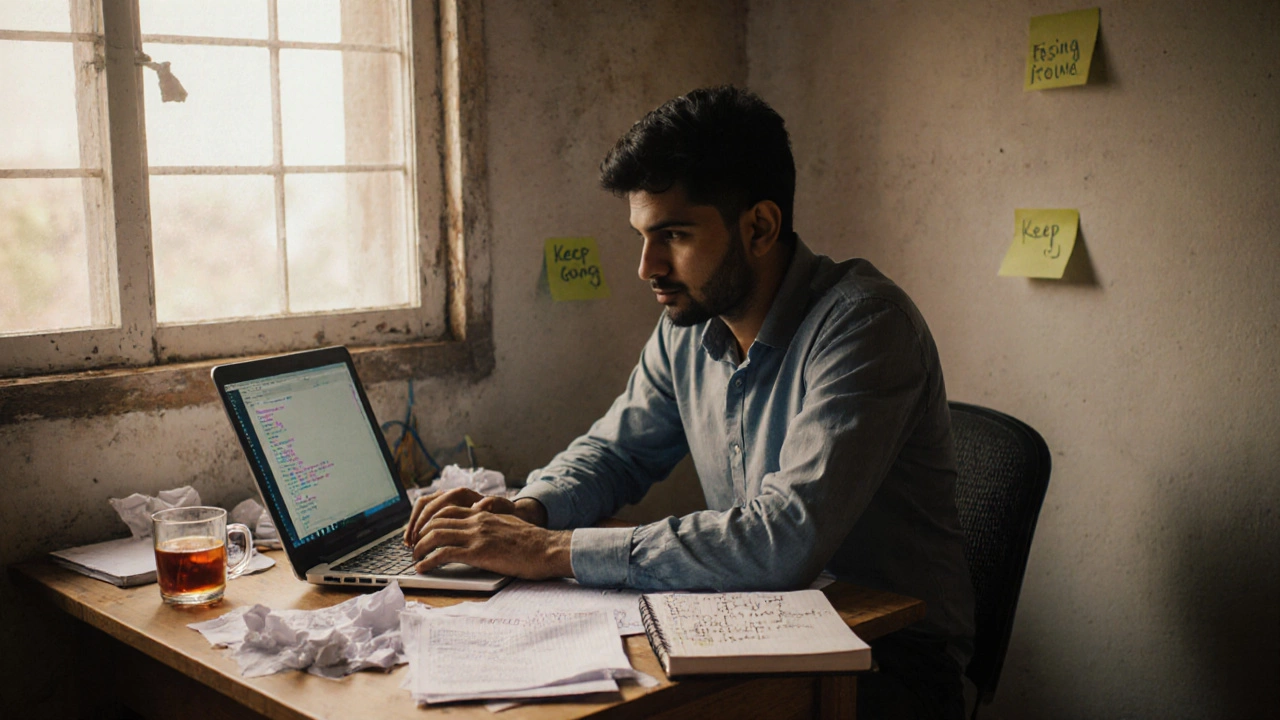
How Long Does It Really Take to Learn to Code?
Learning to code doesn't happen overnight. Realistically, it takes weeks to build your first project, months to land a job, and years to master. This guide breaks down what to expect based on your goals, not hype.