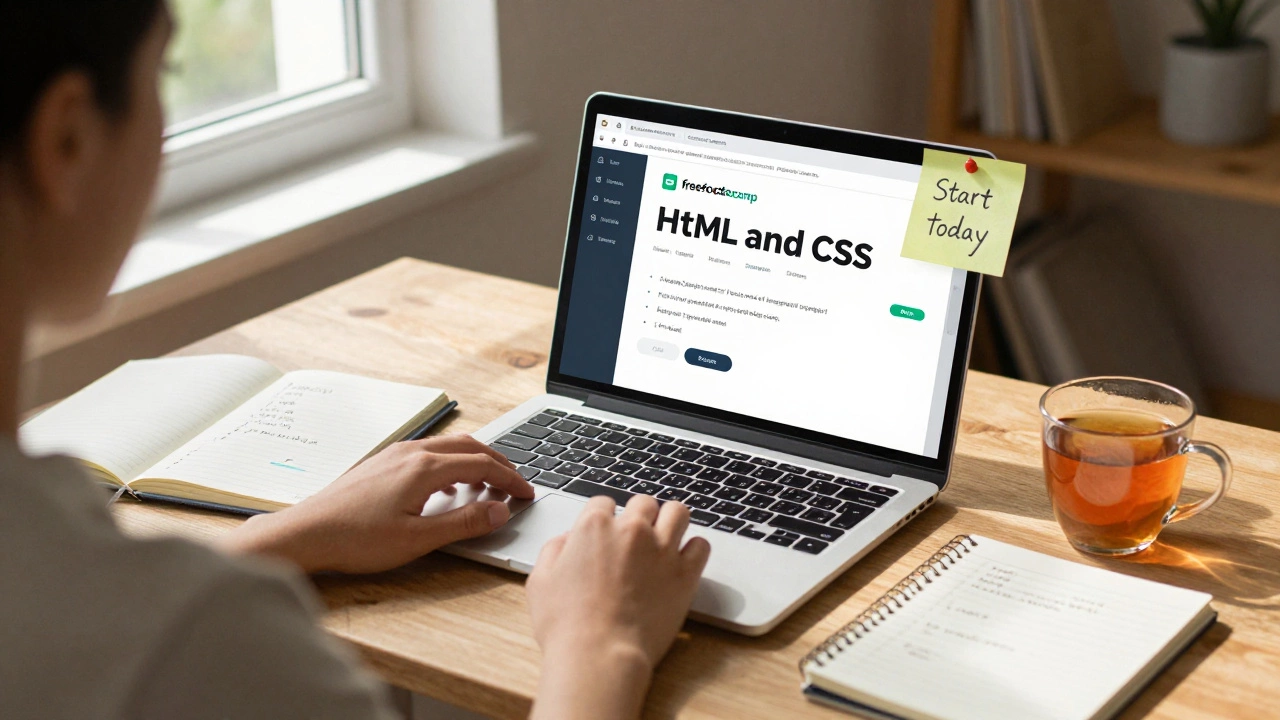
Portfolio Readiness Checker
Your portfolio is your most important tool for landing a front-end job. This checker helps you assess if your portfolio meets industry standards for job applications.
You’re sitting at your laptop, scrolling through job postings, and you see it: "Front-End Developer - 2+ years experience required." You’ve been learning HTML, CSS, and JavaScript for months. You’ve built a few websites. You’ve followed tutorials, broken things, fixed them, and done it again. But you don’t have a job yet. And you’re wondering: Can I get a front-end job without experience? The answer isn’t yes or no. It’s more like: Yes - if you know how to prove you’re ready.
Experience isn’t what you think it is
Companies ask for "experience" because they want someone who won’t break things, who can solve problems without constant hand-holding, and who understands how real websites work under pressure. But here’s the truth: experience doesn’t mean working at a company. It means having done real work.
Think about it this way: if you’ve built a full e-commerce product page from scratch - with responsive layout, smooth hover effects, form validation, and clean accessibility - that’s more valuable than someone who spent two years doing minor tweaks on a corporate WordPress site. You don’t need a title. You need a track record.
What employers actually look for
Most hiring managers aren’t looking for someone with 3 years at Google. They’re looking for someone who can:
- Write clean, semantic HTML that works across browsers
- Style layouts with CSS - not just Bootstrap classes, but real positioning, flexbox, grid
- Use JavaScript to make things interactive without breaking them
- Debug issues on mobile, tablet, and desktop
- Work with tools like Git and understand basic deployment
You don’t need a degree. You don’t need to have worked at a startup. You need to show you can do these things - on your own.
Build a portfolio that screams "hire me"
A portfolio isn’t just a collection of projects. It’s your resume, your interview, and your demo reel - all in one.
Here’s what works:
- 3-5 real projects - not tutorials. Build something you care about. A local bakery site. A tool to track your gym progress. A weather app that uses a real API. Make it feel alive.
- Host it live - use Netlify or Vercel. No one wants to download a ZIP file. They want to click and see it work.
- Write a short case study for each project: What problem did you solve? What did you learn? What broke? How did you fix it?
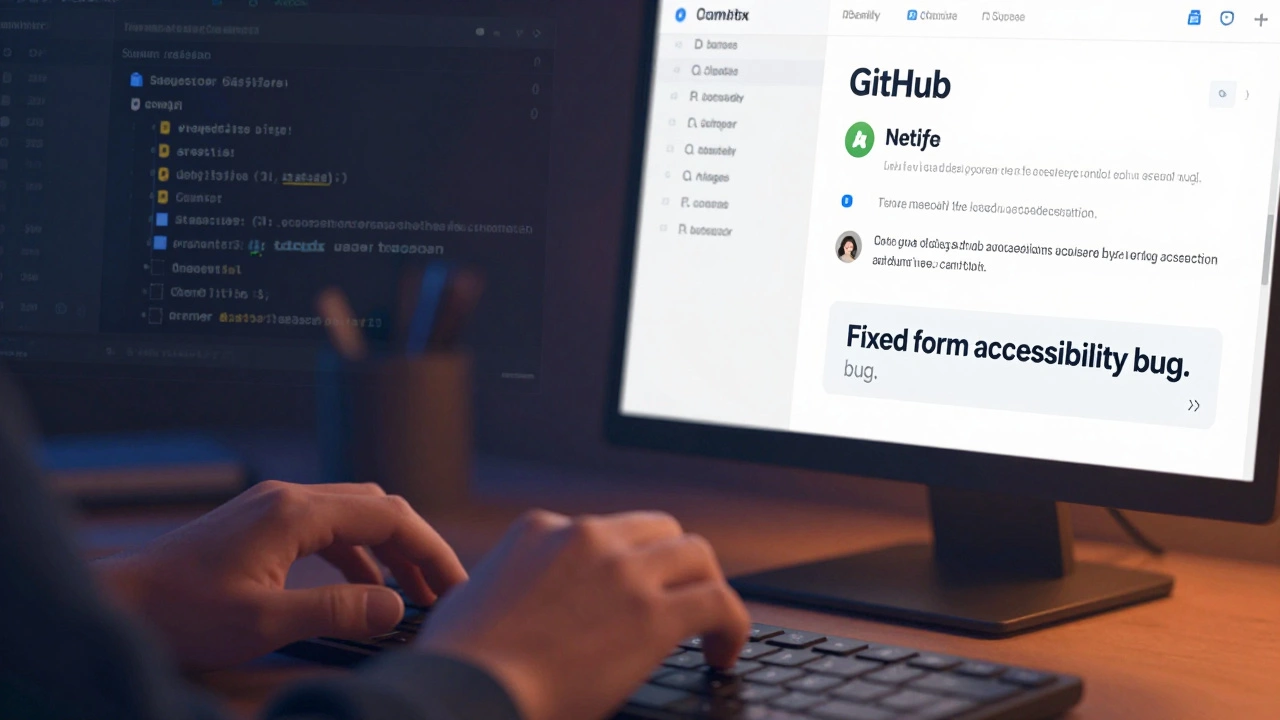
- Include your GitHub - clean commits, meaningful READMEs, no messy code. If your repo looks like a junk drawer, they’ll assume your code does too.
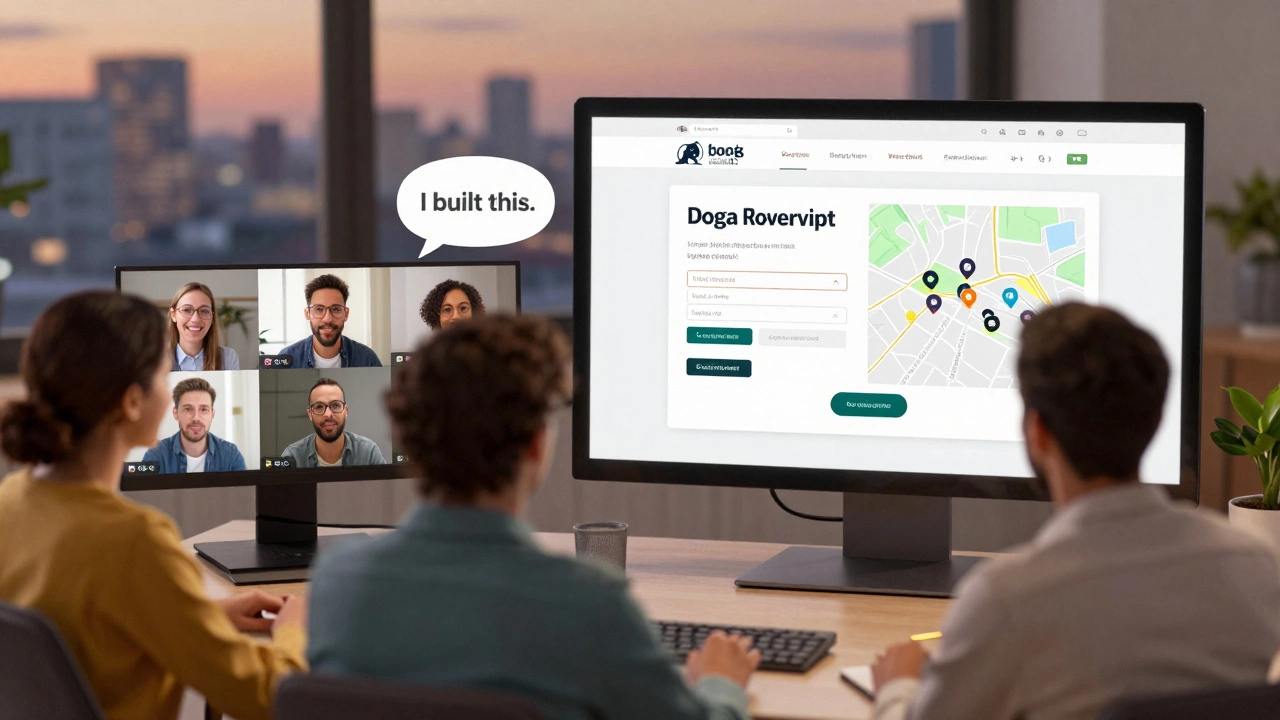
One person I know got hired after building a site for a friend’s dog-walking service. The site had a booking form, a map integration, and a contact form that actually worked. He didn’t mention "experience" anywhere. He just showed what he could do.
Learn the tools, not just the languages
HTML, CSS, and JavaScript are the foundation. But employers expect you to know how to use modern tools:
- Git - know how to commit, branch, and push. You don’t need to be an expert, but you must know the basics.
- npm or yarn - understand how to install dependencies and run scripts.
- VS Code - be comfortable with extensions, debugging, and shortcuts.
- Netlify/Vercel - deploy a site in under 5 minutes. That’s a skill.
These aren’t "nice to haves." They’re part of the job. If you can’t deploy your own site, you’ll struggle to contribute on a team.
Apply to the right jobs
Don’t waste time applying to FAANG companies right away. Start small:
- Startups with 5-20 people - they hire for potential, not pedigree
- Non-profits or local businesses - they need help and don’t have HR filters
- Freelance gigs on Upwork or Fiverr - even $50 projects build your confidence and portfolio
- Remote-first companies - they often care more about output than location or titles
Look for job titles like "Junior Front-End Developer," "Front-End Intern," or "Entry-Level Web Developer." If a job says "2+ years," but you’re excited about it - apply anyway. Many companies use those requirements as guidelines, not rules.
Practice the interview
You’ll likely get asked:
- "Walk me through one of your projects."
- Don’t just describe what you built. Tell the story: "I wanted to make this form easier to use, so I switched from a single-column layout to a two-column mobile-first design. I tested it on three friends and found they were missing the submit button. I made it bigger and added a color contrast fix. Now it works on low-light screens too."
- "How do you debug a layout that breaks on mobile?"
- "I use Chrome DevTools’ device toolbar first. Then I check for fixed widths, missing viewport meta tags, or flexbox misuses. I’ll also test on a real phone if I can."
- "What’s the difference between flexbox and grid?"
- Don’t memorize textbook answers. Say: "Flexbox is great for one-dimensional layouts - like a nav bar or a list of cards. Grid is better for two-dimensional layouts - like a whole page layout with headers, sidebars, and content areas."
Practice out loud. Record yourself. Ask a friend to grill you. The more you talk about your work, the more confident you’ll sound.
Network like it’s your job
People don’t hire code. They hire people they trust.
- Join local meetups - even online ones. Talk to others. Ask questions.
- Comment on GitHub issues - fix a typo, improve a README. That’s how you get noticed.
- Post your work on Twitter or LinkedIn. Not "look at my portfolio," but "I fixed this bug after 3 hours of debugging - here’s what I learned."
- People remember the struggle, not the shiny result.
One developer in Bangalore got hired after sharing a post about how he rebuilt a broken form using only vanilla JS. A hiring manager saw it, reached out, and gave him a chance.
It’s not about being perfect - it’s about being persistent
You will get rejected. You will get ignored. You’ll send out 20 applications and hear nothing. That’s normal. It’s not a reflection of your skill. It’s a numbers game.
What separates people who get hired from those who don’t? Consistency.
- Build one small thing every week.
- Apply to one job every three days.
- Learn one new thing every Monday.
After six months of this, you won’t be "someone without experience." You’ll be someone who built five real projects, fixed real bugs, deployed real sites, and kept going when no one was watching.
That’s the kind of person companies hire - even if they don’t have a "job title" yet.
Start today. Not tomorrow.
Don’t wait for the perfect course. Don’t wait for the perfect project idea. Start with what you have.
Open your code editor. Create a folder. Name it "my-first-portfolio." Write one HTML file. Style it with CSS. Add one JavaScript interaction - a button that changes color. Deploy it. Share it.
That’s your first step. And it’s enough.
Can I get a front-end job with just HTML, CSS, and JavaScript?
Yes - if you can use them well. Many entry-level roles don’t require frameworks like React or Vue. What matters is clean, responsive, accessible code that works across devices. If you can build a fully functional site with vanilla tools, you’re already ahead of most applicants.
How long does it take to get a front-end job without experience?
It varies. Some people land jobs in 3-4 months with focused effort. Others take 6-8 months. It depends on how much time you put in each week, how many projects you build, and how well you communicate your skills. One person I know worked 15 hours a week for 5 months and got hired. Another worked 30 hours a week for 2 months and got two offers.
Do I need a degree or certification?
No. Most front-end jobs don’t require a degree. Certificates from platforms like freeCodeCamp or Udemy help, but they’re not magic. What matters more is what you’ve built. A portfolio with live, working projects beats a certificate every time.
What if I can’t afford paid courses?
You don’t need to pay. FreeCodeCamp, The Odin Project, and MDN Web Docs offer complete, high-quality front-end curriculums for free. YouTube channels like Kevin Powell and Traversy Media have project-based tutorials that are just as valuable. The barrier isn’t cost - it’s consistency.
Should I learn React or Vue first?
Not right away. Master HTML, CSS, and vanilla JavaScript first. Understand how the DOM works, how events flow, and how CSS layout really functions. Once you’re comfortable with the basics, learning React or Vue will feel easier - not harder. Many junior roles now expect framework knowledge, but you can’t skip the foundation.
Next steps: Your 30-day plan
- Week 1: Build one simple project - a personal homepage with a bio, a project list, and a contact form. Deploy it on Netlify.
- Week 2: Add one JavaScript feature - a dark mode toggle or a dynamic image gallery.
- Week 3: Create a GitHub repo. Write a clear README. Add your project link. Share it on one social platform.
- Week 4: Apply to 5 entry-level jobs. Write a short note in each application: "I built this site to practice front-end skills. I’d love to bring that same energy to your team."
You don’t need permission to start. You just need to begin.