Zero-Budget eCommerce Profit Estimator
Dropshipping
Sell existing products. Low customization, lower margins.
Print on Demand
Sell custom designs. High customization, better margins.
Monthly Projection
You want to sell products online, but your bank account is empty. It sounds like a dead end, right? Most people think you need thousands of dollars for inventory, a fancy website, and paid ads before you can make a single sale. That’s a myth. In 2026, the barriers to entry for eCommerce are lower than ever. You don’t need capital; you need creativity, time, and the right strategy.
The truth is, starting an online business with literally zero cash is possible, but it requires trading money for sweat equity. You won’t be buying bulk inventory or running Facebook ads on day one. Instead, you’ll use models that handle fulfillment for you and platforms that let you list products for free. This guide breaks down exactly how to go from zero to your first sale without spending a dime.
The Only Viable Models for Zero-Budget Starts
If you have no money, you cannot hold inventory. Holding stock means buying products upfront, storing them, and risking unsold goods. That’s a financial risk you can’t take. You need business models where the supplier handles the product until you make a sale. There are two main paths here: Dropshipping and Print on Demand (POD).
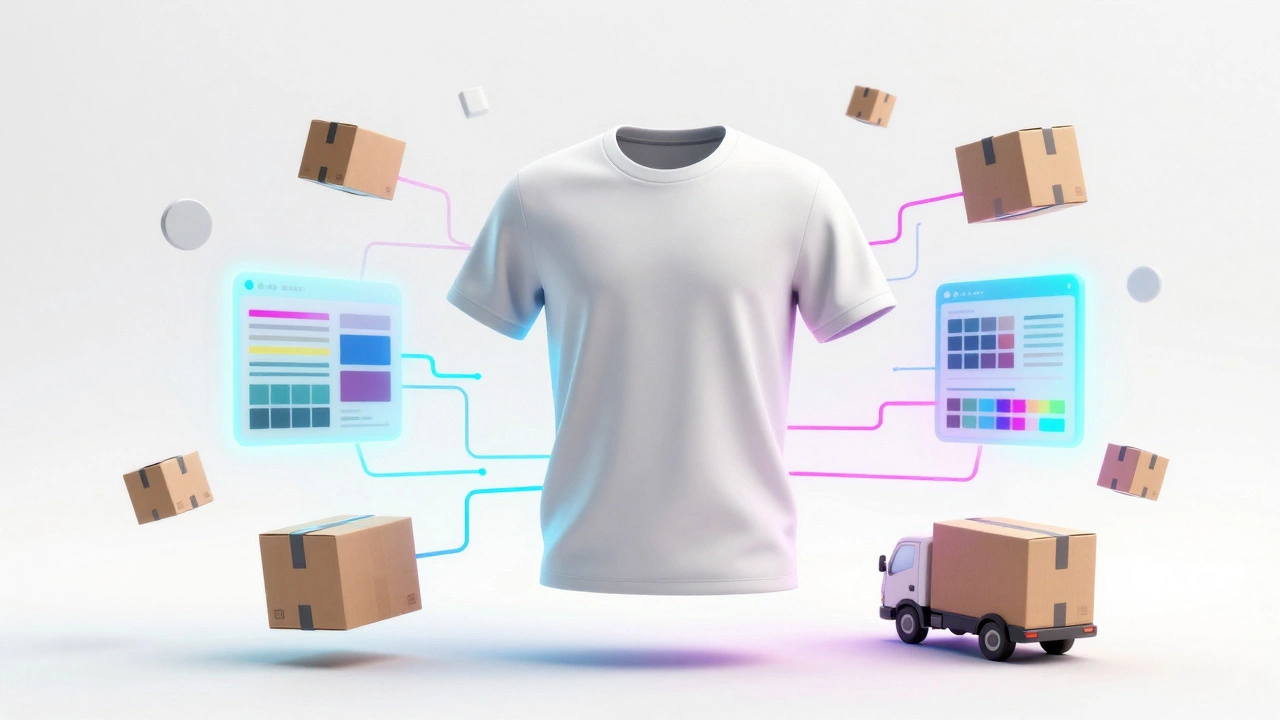
Dropshipping allows you to list products from suppliers (like those on AliExpress or local wholesalers) on your store. When a customer buys from you, you buy the item from the supplier at a lower price and have it shipped directly to the customer. You keep the difference. The catch? Margins are thin, and shipping times can be long unless you find local suppliers.
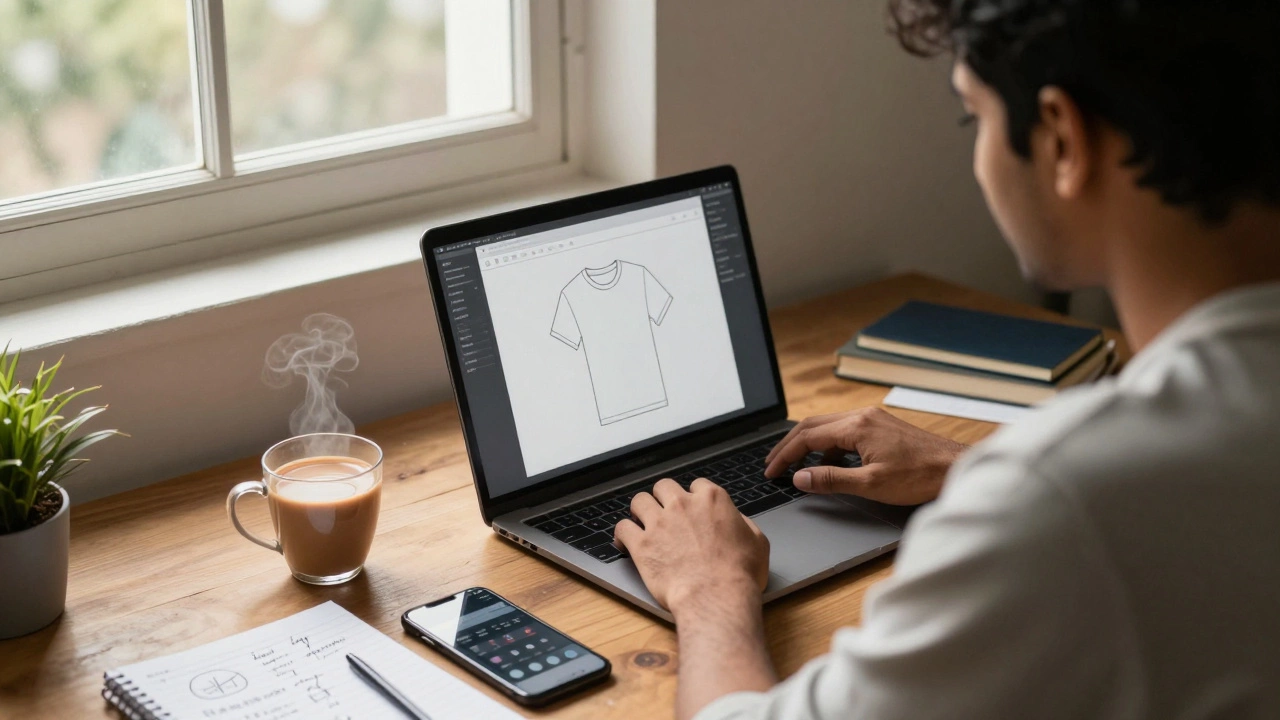
Print on Demand is often better for beginners with no budget. You create designs for t-shirts, mugs, or posters. A platform prints the item only after someone buys it. You never touch the product. Since you’re selling unique designs rather than generic commodities, you can charge higher prices and build a brand identity faster.
| Feature | Dropshipping | Print on Demand |
|---|---|---|
| Upfront Cost | $0 | $0 |
| Inventory Risk | None | None |
| Profit Margin | Low (10-20%) | Medium (20-40%) |
| Customization | Low (Generic products) | High (Your designs) |
| Learning Curve | Medium | Easy |
Where to Sell Without Paying Monthly Fees
Your next hurdle is the storefront. Platforms like Shopify charge monthly fees, which disqualifies them for a true zero-budget start. You need marketplaces that take a commission only when you sell. These platforms already have millions of visitors, solving your biggest problem: traffic.
Etsy is the giant here. While listing fees exist ($0.20 per item), you can start with just one or two listings. It’s not strictly $0, but it’s negligible. However, if you want truly free, look at social commerce.
Instagram Shopping and TikTok Shop allow you to tag products in your posts. If you choose Print on Demand, integrate your design service with these social platforms. You can also use Redbubble or Teepublic. These are POD aggregators. You upload your art, they handle the store, printing, and shipping. They take a cut, but you pay nothing upfront. This is the closest thing to a risk-free start.
Traffic: How to Get Customers Without Ads
This is where most people fail. They build a store but have no visitors. Paid ads cost money. So, you must generate organic traffic. This means earning visits through content and search engines. It takes time, but it’s free.
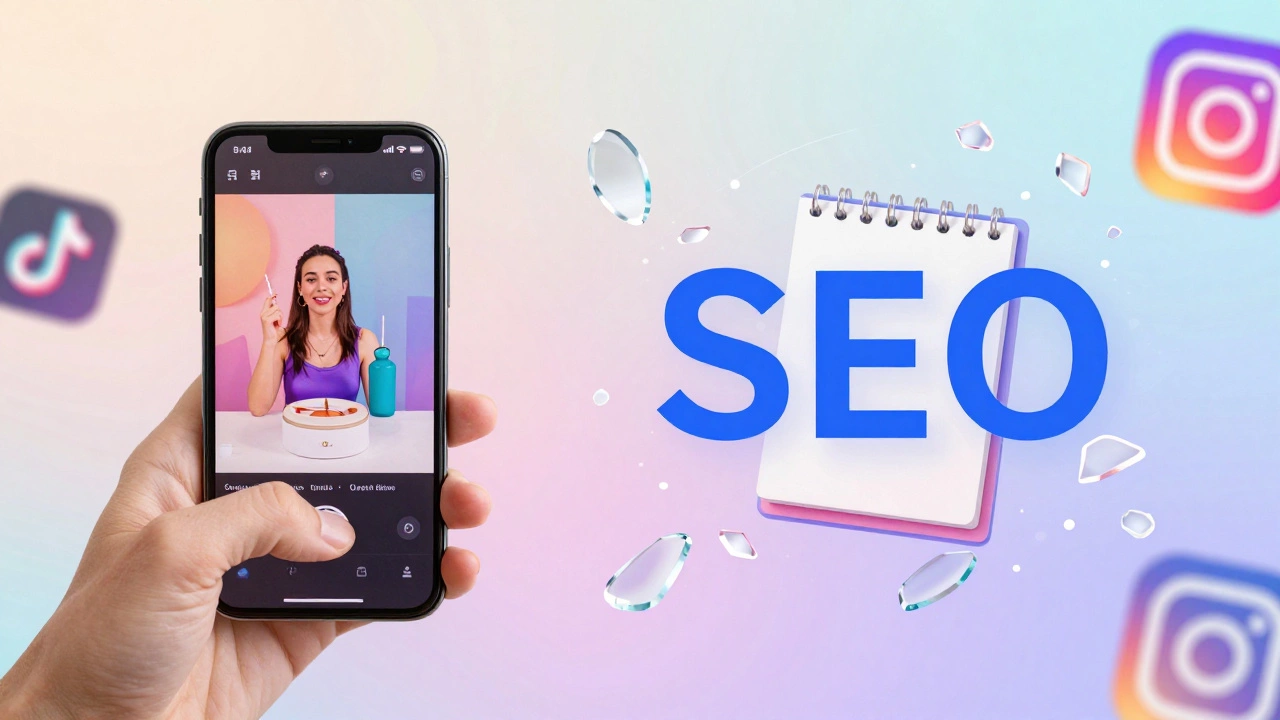
Focus on short-form video. TikTok and Instagram Reels are currently the most powerful free traffic sources. You don’t need to show your face. Create videos showcasing the problem your product solves or the aesthetic of your design. Use trending audio and relevant hashtags. Consistency is key. Post once a day.
Simultaneously, optimize for SEO (Search Engine Optimization). Whether you’re on Etsy or Redbubble, your titles and descriptions matter. Don’t call a shirt "Cool Shirt." Call it "Vintage 90s Anime Graphic Tee for Gamers." Specific keywords help people find you when they search. Research what people are typing into search bars using free tools like Google Trends or the autocomplete suggestions in Etsy’s search bar.
Building Trust with No Brand History
When you’re unknown, customers are skeptical. How do you convince them to send you their credit card info? Transparency is your best tool. Provide clear photos, detailed descriptions, and honest shipping times. If you’re dropshipping from overseas, state clearly that shipping takes 7-14 days. Hiding this leads to refunds and bad reviews.
Customer service is your differentiator. Respond to every message quickly. Be polite and helpful. Early reviews are gold. Ask your first few customers for feedback. Even if they don’t leave a public review, their positive interaction helps you refine your process. Word-of-mouth spreads fast in niche communities.
The Hidden Costs You Must Plan For
While you can start with $0, you will eventually need to reinvest. Your first sales will bring in revenue, but part of that goes to the platform fees and supplier costs. What’s left is your profit. Reinvest this wisely. Upgrade to a custom domain name for professionalism. Invest in better design tools if needed. Eventually, consider a small ad budget to scale. But don’t spend money until you’ve proven people want to buy your product.
Frequently Asked Questions
Is it really possible to start an eCommerce business with absolutely zero money?
Yes, but only if you use specific models like Print on Demand or Dropshipping combined with free marketplace platforms like Redbubble or TikTok Shop. You trade your time and effort for capital. You won't pay for inventory or hosting upfront.
Which platform is best for beginners with no budget?
For absolute beginners, Redbubble or Teepublic are the easiest because they handle everything except the design. If you want more control, Etsy is great but has small listing fees. For true $0 start, focus on social commerce via TikTok Shop or Instagram.
How do I get customers without paying for ads?
You must create content. Short-form videos on TikTok and Instagram Reels are the most effective free methods. Optimize your product titles with SEO keywords so people find you when searching. Engage with niche communities on Reddit or Facebook groups.
What is the difference between Dropshipping and Print on Demand?
In Dropshipping, you sell existing products from suppliers. In Print on Demand, you create custom designs that are printed on products only after a sale is made. POD offers higher margins and brand uniqueness, while Dropshipping relies on finding trending generic items.
Can I make a full-time income starting with no money?
It is possible, but it takes time. Starting with no money means slower growth initially. You need to consistently create content and optimize your listings. Many successful stores started this way, but it requires months of consistent effort before reaching full-time income levels.