WordPress Career Salary Estimator (2026)
Your Profile
Enter your details to see estimated earnings.
Estimated Annual Income
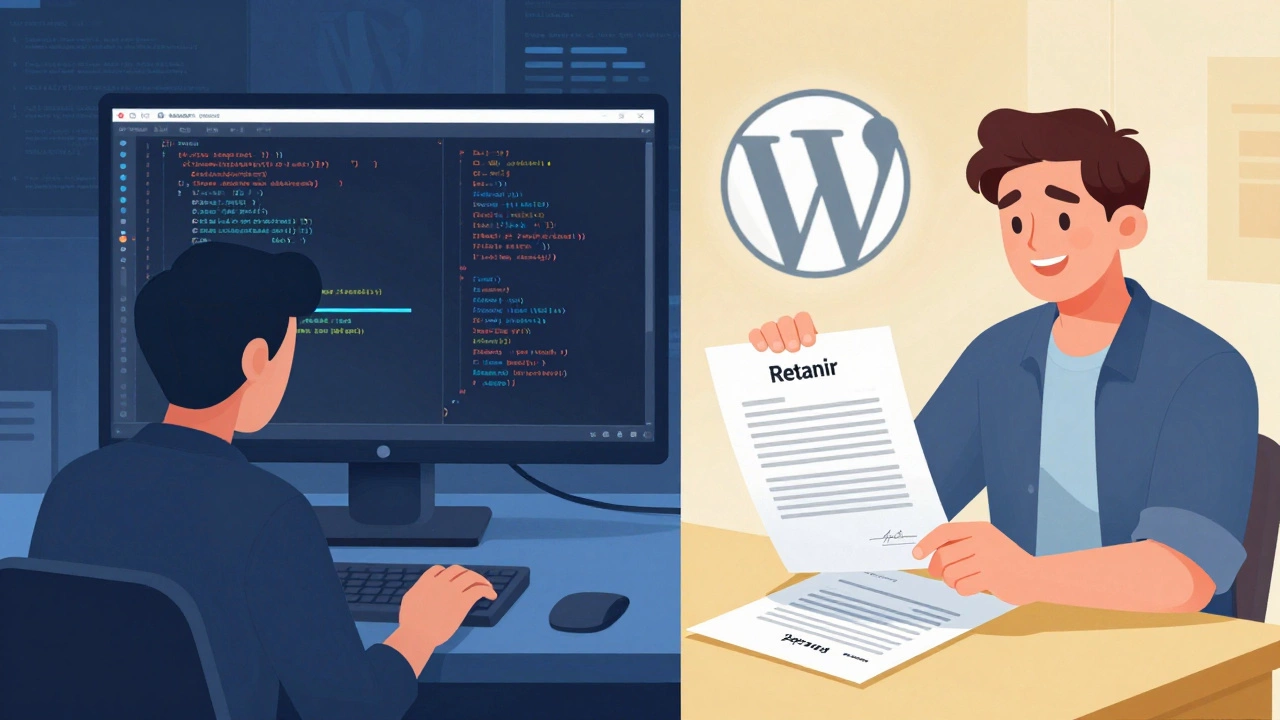
Imagine this: You spend six months mastering complex algorithms and obscure backend frameworks. You land an interview at a tech giant. The interviewer asks if you know how to build scalable content management systems. You hesitate. Meanwhile, your friend who spent those same six months building custom WordPress themes and plugins for local businesses has already signed three retainer contracts.
This scenario plays out more often than you’d think. For years, developers looked down on WordPress, the open-source content management system that powers over 43% of the internet. They called it "easy" or "not real coding." But the market doesn’t care about snobbery; it cares about demand. With millions of small and medium-sized businesses relying on WordPress for their digital presence, the question isn't whether WordPress is "real" development-it’s whether pursuing a career in it makes financial and professional sense in 2026.
Key Takeaways
- High Demand: WordPress powers nearly half the web, creating massive demand for both entry-level and expert developers.
- Flexible Income: Developers can choose between stable agency jobs, high-paying corporate roles, or lucrative freelance retainers.
- Low Barrier, High Ceiling: You can start with basic HTML/CSS knowledge but scale up to complex PHP architecture and headless setups.
- Not Just "Easy": Senior WordPress engineers command salaries comparable to full-stack developers due to performance optimization and security expertise.
- Risk Factor: The low barrier to entry means fierce competition at the junior level; specialization is key to standing out.
The Reality of the WordPress Market in 2026
To understand if WordPress is a good career, we first need to look at the landscape. In 2026, the web is more fragmented than ever. While enterprise companies use headless architectures with React or Vue, the vast majority of the internet-local businesses, blogs, e-commerce stores, and media outlets-still runs on WP.
This creates a unique economic reality. There is a shortage of *good* WordPress developers, even though there is an oversupply of *basic* ones. If you just know how to install a theme and change colors, you are competing with thousands of freelancers on global platforms charging rock-bottom rates. However, if you understand server configuration, database optimization, and custom plugin development, you are in a seller's market.
Consider the data. According to recent industry reports, WordPress-related job postings have grown by approximately 15% year-over-year. This growth isn't coming from new sites being built from scratch every day; it’s coming from maintenance, migration, and modernization. Old, slow WordPress sites need to be updated to meet Core Web Vitals standards. Legacy plugins need to be rewritten for compatibility with newer PHP versions. This is where the money is.
What Does a WordPress Developer Actually Do?
A common misconception is that a WordPress developer only drags and drops elements in a page builder. That’s a website designer. A developer builds the engine. Here is what the role actually entails across different seniority levels:
- Theme Development: Creating custom themes from scratch using HTML, CSS, JavaScript, and PHP. This involves understanding the WordPress template hierarchy and ensuring responsiveness.
- Plugin Development: Writing code to extend functionality. This could be anything from a simple contact form to a complex membership system integrating with third-party APIs like Stripe or Salesforce.
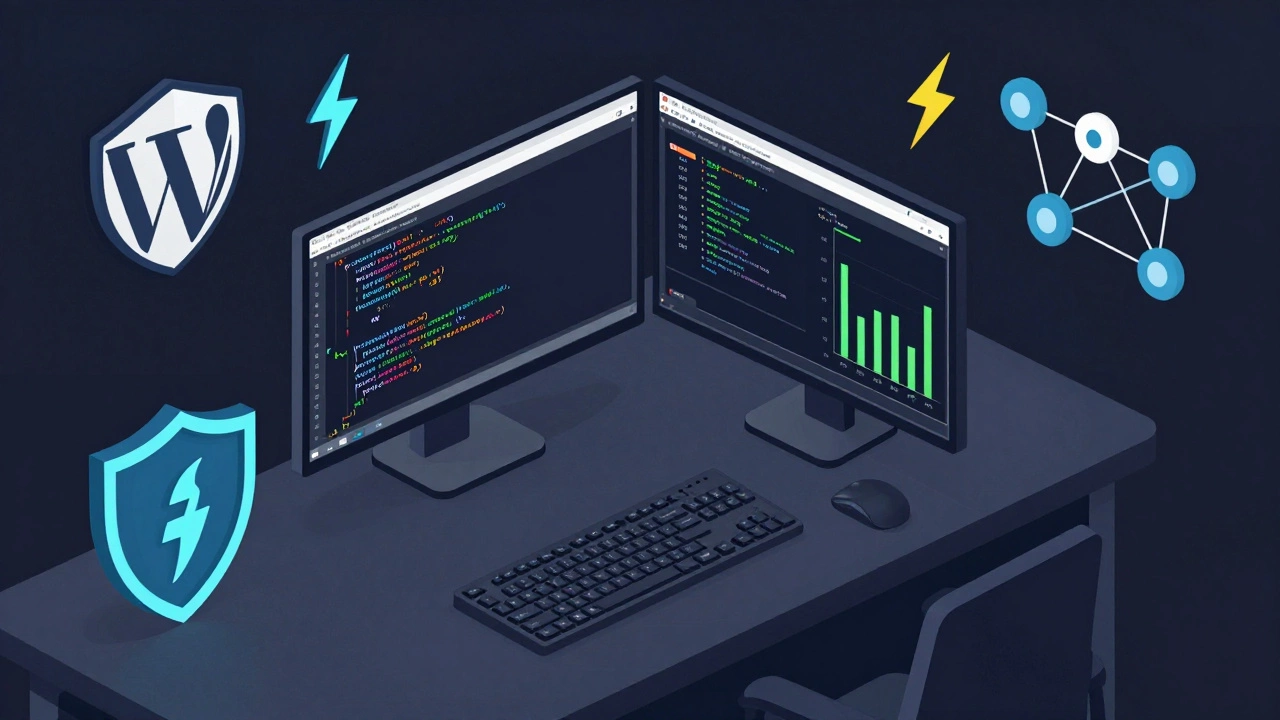
- Performance Optimization: This is critical in 2026. It involves caching strategies, image optimization, minifying assets, and configuring servers (like Nginx or Apache) to handle traffic spikes.
- Security Hardening: Implementing two-factor authentication, sanitizing inputs to prevent SQL injection, and managing updates to keep client sites safe from hacks.
- Headless WordPress: Using WordPress as a backend content repository while serving the frontend via static site generators like Gatsby or Next.js. This bridges the gap between traditional CMS work and modern JavaScript frameworks.
If you enjoy seeing immediate visual results from your code, theme development might appeal to you. If you prefer logic, data structures, and problem-solving, plugin development and API integrations will likely be more satisfying.
Salary Expectations: Is It Worth the Effort?
Let’s talk numbers, because that’s usually the deciding factor. Salaries vary wildly based on location, experience, and employment type. Here is a realistic breakdown for 2026:
| Role / Level | United States | India | Europe (Avg) |
|---|---|---|---|
| Junior Developer (0-2 years) | $45,000 - $65,000 | ₹3,00,000 - ₹6,00,000 | €30,000 - €40,000 |
| Mid-Level Developer (2-5 years) | $70,000 - $95,000 | ₹8,00,000 - ₹15,00,000 | €45,000 - €60,000 |
| Senior/Lead Developer (5+ years) | $100,000 - $140,000+ | ₹18,00,000 - ₹35,00,000+ | €65,000 - €85,000+ |
| Freelance (Hourly Rate) | $50 - $150/hr | $20 - $80/hr | €40 - €100/hr |
Note that these figures assume you are working as a specialized developer, not a generalist virtual assistant. Freelancers who niche down-say, specializing in WooCommerce for fashion brands or multisite networks for universities-can command the higher end of these brackets. The key takeaway? WordPress pays well, but only if you treat it as a serious engineering discipline.
Pathways to a WordPress Career
There is no single road to becoming a WordPress professional. Depending on your background and goals, one of these three paths will likely suit you best.
1. The Agency Route
Joining a digital agency is the fastest way to gain diverse experience. You’ll work on multiple projects simultaneously, dealing with different clients, industries, and technical challenges. This environment forces you to learn quickly and adapt to various workflows. Agencies often provide mentorship, which is invaluable for juniors. However, be prepared for tight deadlines and potential burnout.
2. The In-House Corporate Role
Larger organizations maintain dedicated teams to manage their WordPress ecosystems. These roles offer stability, better benefits, and deeper focus on a single platform. You might work for a media company managing a high-traffic news site or an educational institution handling student portals. The trade-off is less variety; you’ll dive deep into one codebase rather than jumping between many.
3. The Freelance/Solo Entrepreneur Path
This offers the highest income potential but also the highest risk. You are responsible for finding clients, managing invoices, and delivering quality work. Success here depends heavily on your ability to market yourself and deliver consistent value. Many successful WordPress freelancers transition into product creation, selling premium themes or plugins on marketplaces like ThemeForest or CodeCanyon, creating passive income streams.
Skills You Need Beyond WordPress
To stand out in 2026, knowing WordPress core functions isn’t enough. You need a stack of complementary skills. Think of WordPress as the central hub, but you need spokes connecting it to the wider web.
- PHP Mastery: WordPress is built on PHP. Understanding object-oriented programming, namespaces, and modern PHP features (8.x+) is non-negotiable for serious development.
- JavaScript & React: The Gutenberg block editor is built with React. To create custom blocks or interact with the modern WordPress admin interface, you need solid JavaScript skills.
- Database Management: WordPress uses MySQL/MariaDB. Knowing how to write efficient queries and optimize database tables can drastically improve site speed.
- Version Control (Git): Professional development requires collaboration. Git is the standard for tracking changes and working with teams. If you aren’t using Git, you aren’t ready for professional work.
- DevOps Basics: Understanding CI/CD pipelines, Docker containers, and cloud hosting (AWS, DigitalOcean, Kinsta) separates amateurs from pros.
Pitfalls to Avoid in Your WordPress Career
Even with high demand, there are traps that can stall your progress. Awareness is your best defense.
Sticking Only to Page Builders: Tools like Elementor or Divi are great for quick prototypes, but relying on them exclusively limits your earning potential. Clients who want truly custom solutions hire developers who code, not just configure. Learn to build without heavy reliance on bloated page builders.
Ignoring Security: A single hacked client site can ruin your reputation. Never underestimate the importance of secure coding practices. Always sanitize and escape data. Keep dependencies updated. Treat security as a feature, not an afterthought.
Failing to Specialize: "I do WordPress" is too vague. "I specialize in high-performance WooCommerce stores for DTC brands" is a business. Niching down allows you to charge premium rates because you understand specific industry pain points.
Future-Proofing Your WordPress Skills
Will WordPress still be relevant in five years? Almost certainly. Its plugin architecture and community support create a moat that is hard to cross. However, the way we use it is changing.
The trend toward headless CMS architectures means WordPress is increasingly being used as a backend-only solution. Learning how to connect WordPress REST API or GraphQL endpoints to frontends like Next.js or SvelteKit future-proofs your career. It allows you to offer the ease of WordPress content management with the speed and flexibility of modern JavaScript applications.
Additionally, AI integration is growing. Tools that help generate content, optimize images, or suggest code snippets are becoming common. Instead of fearing AI, learn how to leverage it to speed up your workflow. Use AI to draft boilerplate code, then focus your human effort on architecture, logic, and user experience.
Conclusion: Is It Right for You?
So, is WordPress a good career? If you are looking for a get-rich-quick scheme with minimal effort, the answer is no. The market is saturated with low-quality providers driving down prices for basic tasks. But if you are willing to treat WordPress as a robust software platform, invest in learning proper coding standards, and specialize in solving complex problems, it is an excellent career choice.
It offers a rare combination of accessibility and depth. You can start building real websites within weeks, yet spend decades mastering its intricacies. The demand is steady, the income potential is strong, and the flexibility is unmatched. Whether you choose the stability of an agency, the depth of an in-house role, or the freedom of freelancing, WordPress provides a solid foundation for a long-term career in web development.
Do I need to know PHP to become a WordPress developer?
Yes, for a professional career. While you can manage basic sites with page builders, true development-creating custom themes, plugins, and modifying core functionality-requires PHP. PHP is the language WordPress is written in, so understanding it is essential for debugging, customization, and performance optimization.
Can I make a living freelancing as a WordPress developer?
Absolutely. Many WordPress developers earn significant incomes through freelancing. Success depends on building a portfolio, niching down to a specific industry or service (like WooCommerce or speed optimization), and securing retainer contracts for ongoing maintenance and support.
Is WordPress development considered "real" programming?
Yes. WordPress development involves full-stack concepts including database management, server configuration, API integration, and frontend/backend coding. While it abstracts some complexities, advanced WordPress engineering requires the same rigorous logical thinking and coding standards as any other web framework.
How long does it take to become a proficient WordPress developer?
You can build basic sites in a few months, but proficiency takes time. Expect 6-12 months of dedicated learning and practice to feel comfortable with theme and plugin development. Reaching a senior level, where you can architect complex, high-performance systems, typically takes 3-5 years of real-world experience.
What is the difference between a WordPress developer and a web designer?
A web designer focuses on the visual appearance, layout, and user experience (UI/UX). They may use drag-and-drop tools. A WordPress developer writes the code that makes the site function, handles data, ensures security, and optimizes performance. Developers turn designs into functional, dynamic websites.