
Funded Education Matchmaker
Select your profile to see which countries offer the most financially viable opportunities for you.
You might think the idea of getting paid to go to university sounds like a scam or a rare exception. But it is real. Several countries offer paid to study opportunities where the government covers tuition and provides a living stipend. This isn't just about free college; it's about earning money while you learn. If you are tired of drowning in debt before you even graduate, this model changes everything.
Why do governments do this? Simple economics. They need skilled workers. By paying you to study, they invest in your future contribution to their economy. In return, you often agree to stay and work there for a few years after graduation. It is a trade-off: time for money, but the financial head start is massive compared to the US or UK models.
Germany: The Heavyweight of Tuition-Free Education
Germany is a federal republic in Central Europe known for its robust public higher education system that charges little to no tuition fees at public universities. When people ask what country pays you to study, Germany is usually the first answer. Most public universities charge zero tuition fees for both domestic and international students. You only pay a small semester contribution, usually between €150 and €350, which covers administrative costs and public transport.
But does Germany actually pay you cash? Not directly as a salary for studying. However, the low cost of living combined with part-time work rights (up to 120 full days per year) means many students cover their expenses. Additionally, specific programs like the DAAD scholarships provide monthly stipends ranging from €861 to €1,200 depending on your level of study. This effectively turns education into a funded experience.
Norway: High Living Costs, Zero Tuition
Norway is a Scandinavian country that has historically offered tuition-free higher education to all students regardless of nationality, though recent changes have introduced fees for non-EU students. For years, Norway was the gold standard. You studied for free, and if you got a state loan (Lånekassen), you could get additional funding for living expenses. Lånekassen offers grants and loans that can cover up to NOK 147,000 annually for those studying abroad, including in Norway itself.
Wait, didn't things change? Yes. Starting in 2023, Norway began introducing tuition fees for students from outside the EU/EEA. So, if you are American or Indian, check the latest policy. If you are an EU citizen, it remains largely free. Even with fees, the potential for high-paying internships and post-graduation jobs in tech and energy sectors makes the ROI strong. The key here is not just "free school" but the high minimum wage that allows working students to save money.
Finland: Scholarships That Cover More Than Tuition
Finland is a Nordic country in Northern Europe that offers generous scholarship programs covering tuition and providing monthly stipends for international master's students. Finland actively recruits talent. Many universities offer "tuition waivers" plus a monthly stipend of around €500 to €1,000. This is close to being paid to study. If you secure a full scholarship, your tuition is gone, and you get cash every month.
The catch? Competition is fierce. You need excellent grades and often a portfolio or interview. But once you are in, the quality of life is high. Healthcare is affordable, and the society values work-life balance. After graduating, you get a one-year job-seeking visa, allowing you to find employment without immediate pressure. This bridges the gap between student life and professional income smoothly.

Hungary: The Stipendium Hungaricum Model
Hungary is a Central European nation that runs the Stipendium Hungaricum program, offering full scholarships including tuition, housing, and a monthly stipend to thousands of international students annually. This is arguably the closest example of "getting paid." The Stipendium Hungaricum covers tuition fees, provides dormitory accommodation or a housing allowance, health insurance, and a monthly stipend of HUF 43,700 (approx. €110-€120). While the amount seems small, Budapest is significantly cheaper than Berlin or Helsinki.
The program targets over 5,000 students each year from partner countries. If you are from India, Vietnam, Iran, or Turkey, this is a prime opportunity. You aren't just saving money; you are receiving direct financial support. The cultural integration is also easier due to Hungary's central location in Europe, making travel cheap and accessible during breaks.
Saudi Arabia: Fully Funded Research Opportunities
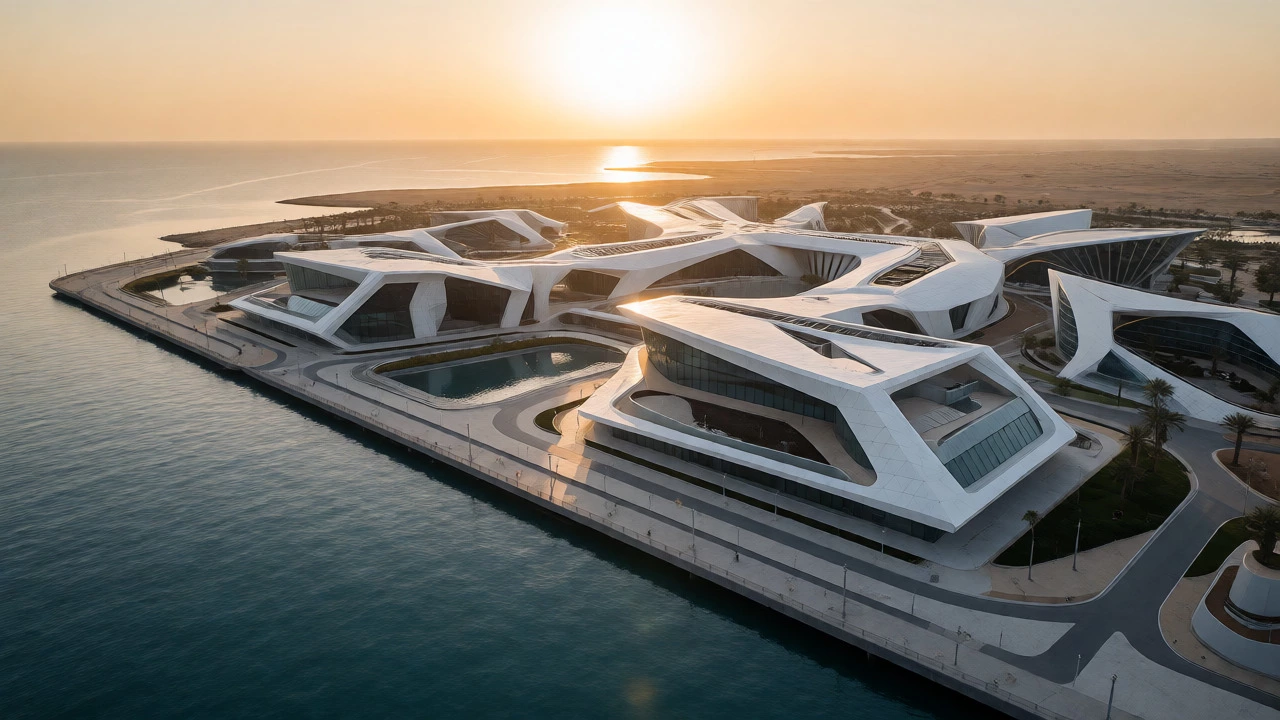
Saudi Arabia is a Middle Eastern kingdom that offers fully funded scholarships through institutions like King Abdullah University of Science and Technology (KAUST), including a substantial annual stipend. If you are into STEM fields, look at KAUST. It is a research university that offers a fully funded package. This includes tuition, housing, medical care, and a personal stipend that can reach $20,000 to $30,000 USD per year for PhD students. Yes, they literally pay you a salary to do research.
This is different from typical undergraduate experiences. It is rigorous and research-heavy. You will be expected to publish papers and attend conferences. But financially, you end up with savings rather than debt. The campus environment is modern and isolated, which helps focus but requires adjustment to local customs. For engineering and science majors, this is one of the most lucrative options globally.
Comparison of Funding Models
| Country | Tuition Cost | Stipend/Salary | Best For |
|---|---|---|---|
| Germany | Free (Public) | Low (Scholarships vary) | Engineering, Arts |
| Norway | Free (EU), Fees (Non-EU) | Loans available | Marine Science, Tech |
| Finland | Waived with Scholarship | €500-€1000/month | Design, IT, Business |
| Hungary | Covered by Grant | ~€120/month + Housing | Medicine, Humanities |
| Saudi Arabia | Fully Funded | $20k-$30k/year | PhD, STEM Research |
How to Qualify and Apply
Getting these opportunities requires more than just applying online. Each country has specific criteria. Here is how to position yourself:
- Academic Excellence: Most stipend-based programs require a GPA above 3.5 or equivalent. Grades matter because you are competing for limited funds.
- Language Proficiency: Even if courses are in English, knowing basic German, Norwegian, or Hungarian boosts your chances for scholarships and part-time jobs.
- Clear Career Goals: Write a statement of purpose that explains why you want to study there specifically. Mention how your field aligns with the country's economic needs.
- Early Application: Deadlines for major scholarships like DAAD or Stipendium Hungaricum often fall months before the academic year starts. Mark November and January as critical months for planning.
Pitfalls to Watch Out For
It is not all sunshine and stipends. There are hidden costs and risks. First, the cost of living in Scandinavia and Germany is high. A €1,000 stipend in Munich goes much further than in Oslo. Budget carefully. Second, visa restrictions may limit how much you can work. In some countries, you cannot work off-campus in your first year. Third, language barriers can isolate you socially, affecting mental health. Joining international student groups early helps mitigate this.
Also, consider the post-graduation landscape. Some countries require you to leave if you don't find a job within a certain period. Others offer extended visas. Always read the fine print on work permits. If you plan to stay permanently, choose countries with clear pathways to residency, like Germany or Canada (though Canada doesn't typically pay you to study).
Do I need to speak the local language to get paid to study?
Not always. Many master's programs in Germany, Netherlands, and Sweden are taught entirely in English. However, learning the local language significantly improves your chances of finding part-time work and integrating socially, which indirectly affects your financial stability.
Is the stipend taxable income?
This depends on the country and the nature of the scholarship. In Germany, scholarships are generally tax-free if they are for educational purposes. In the US, some fellowships are taxable. Always consult the local tax authority guidelines for international students to avoid surprises.
Can I combine a scholarship with a part-time job?
Yes, in most cases. Countries like Germany allow 120 full days or 240 half days of work per year. Australia allows 48 hours per fortnight. Check your specific visa conditions, as some fully funded research positions prohibit external employment.
Which country is easiest to get into for free education?
Germany and Italy often have less competitive admission processes for public universities compared to top-tier private institutions in the US or UK. However, securing a scholarship in these places is highly competitive. Admission itself might be straightforward if you meet the academic prerequisites.
What happens if I drop out?
If you receive a stipend or grant, dropping out might require you to repay the funds received. Loans usually remain payable regardless of completion status. Always review the contract terms of your scholarship regarding withdrawal penalties.