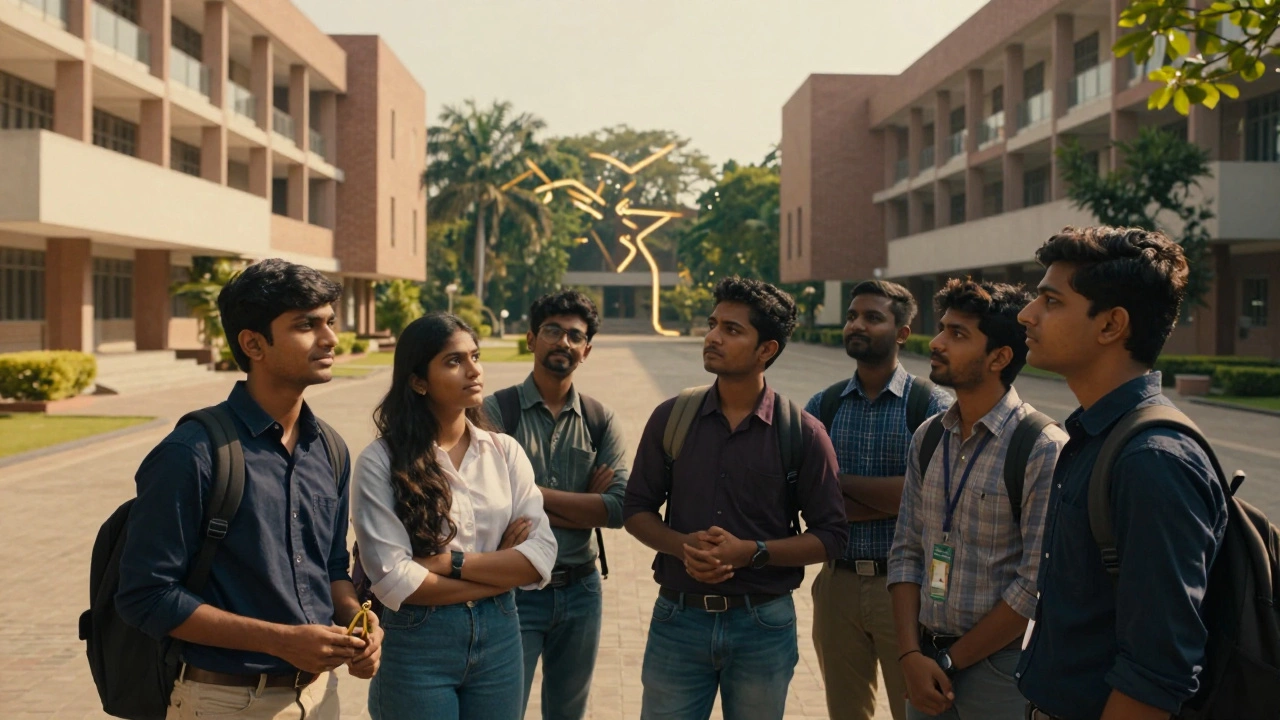
Find Your Ideal IIT Branch
Not sure if Computer Science, Electronics, or Core Engineering is right for you? Answer these five quick questions to get a personalized recommendation based on industry trends and skill alignment.
Your Best Fit:
You keep hearing seniors debate it, your parents argue about it, and every coaching center promises a secret answer. Which IIT subject is actually worth chasing right now? There isn't a single magic label that guarantees success. Instead, the choice depends entirely on where you see yourself in ten years. With the technology landscape shifting rapidly, the "safe" choices of the past decade are changing.
Before we compare branches, we need to clear up the terminology. When people ask about an IIT subject, they usually mean one of two things. First, they might be asking about the preparation subjects for the entrance exam-Physics, Chemistry, and Mathematics. Second, and more commonly, they refer to the specialization you choose once you get into the institute, known as your B.Tech branch. We will focus on the latter because that defines your career trajectory after graduation.
Understanding the Core Engineering Streams
The Indian Institutes of Technology offer a massive range of disciplines, but the most popular ones cluster around a few core areas. These aren't just random names on a brochure; they represent specific skill sets and industry demands.
Computer Science Engineering (CSE) is the discipline focused on software development, algorithms, and computing systems. Also known as CSE Branch, it remains the most sought-after degree globally. Students here learn programming languages, data structures, and system design. In the current 2026 market, roles range from traditional backend development to specialized fields like Machine Learning Operations.If you enjoy logic puzzles and spend hours debugging code, this path feels natural. The average package numbers are publicly available and often lead the charts, but remember, high pay correlates with high competition. You won't just compete with IIT graduates; you'll be competing with graduates from top NITs and private institutions who have started building portfolios early.
The Hardware and Systems Route
Not everyone wants to live inside an IDE or cloud console. For those interested in how the digital world physically connects, other branches shine brightly.
Electronics and Communication Engineering is a field dealing with signal processing, circuit design, and embedded systems. Often called ECE, it serves as a perfect bridge between hardware and software. As Internet of Things devices grow in number, professionals who understand chip architecture and network protocols are becoming rare commodities.This branch opens doors to semiconductor companies, telecom giants, and defense research organizations. While the starting salaries might sometimes trail behind pure software roles, the job security in core industries remains incredibly stable. You aren't dependent on the fluctuating trends of startup funding cycles as much as CSE graduates might be.
Traditional Pillars of Engineering
We cannot ignore the legacy branches that built the infrastructure of our cities. Many students dismiss these too quickly based on outdated salary perceptions.
- Mechanical Engineering: Focuses on machinery, robotics, and thermal systems. With the electric vehicle revolution happening in India, core mechanical knowledge is resurging in demand.
- Civil Engineering: Deals with construction, urban planning, and structural integrity. Large government infrastructure projects always require skilled planners and engineers.
- Electrical Engineering: Powers everything from power grids to control systems. Renewable energy integration makes this domain critical for the next century.
Comparing the Market Reality
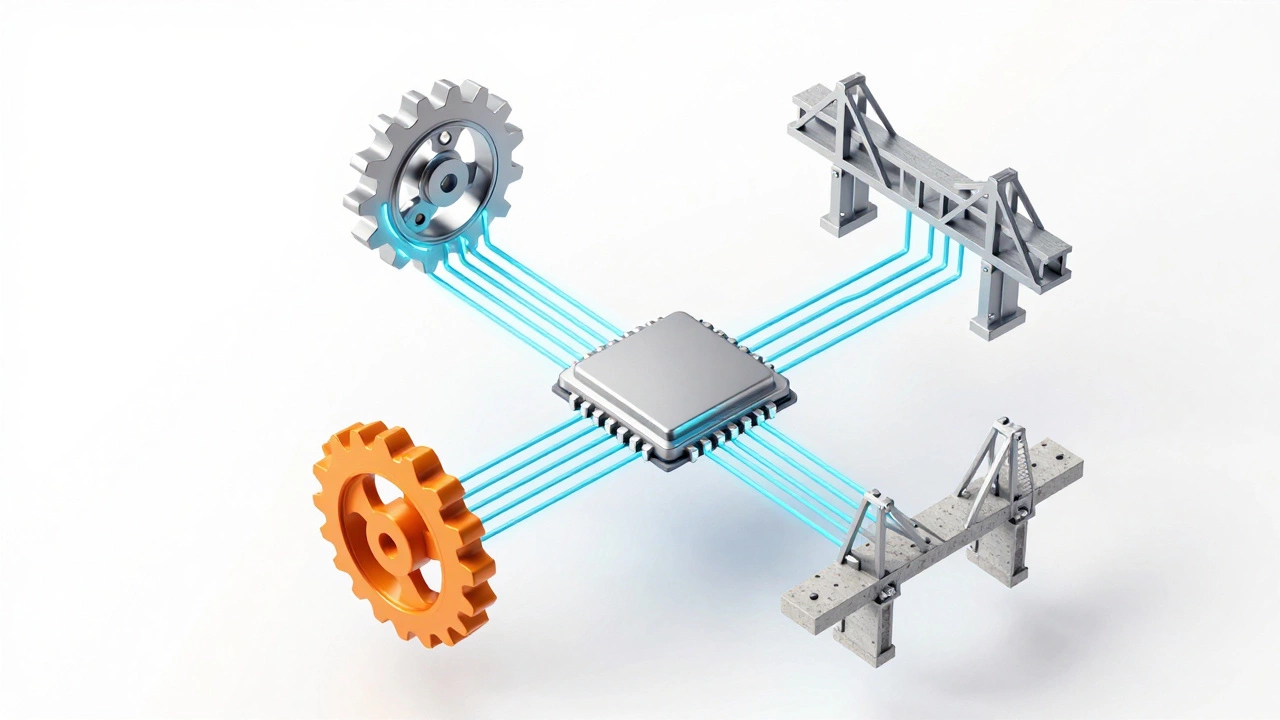
Packages alone shouldn't drive your decision, but ignoring them is naive. Placement data varies significantly across different IIT campuses. An IIT Bombay computer science graduate sees different opportunities than an IIT Patna peer, even in the same branch. Here is how the landscape generally breaks down when looking at top institutes.
| Branch | Primary Focus | Industry Demand (2026) |
|---|---|---|
| Computer Science | Software, AI, Data | Very High |
| Electronics & Comm | Hardware, VLSI, Networks | High |
| Mechanical | Robotics, Auto, Thermal | Stable |
| Mathematics & Computing | Quantitative Finance, AI Research | Rising Fast |
Note the entry for Mathematics and Computing. This is a newer branch gaining traction. If you love theory and math over practical coding, this offers a unique niche that pure CS students lack. It positions you well for high-frequency trading firms and deep-tech research roles.
Factors Beyond Placements
Six months later, your peers in CSE might be working late nights at a startup, while your friend in Chemical Engineering works regular hours with great stability. Lifestyle preference matters. Does the glamour of high growth excite you, or do you prefer predictable work-life balance?
Interest is the biggest retention factor. Dropping out happens frequently not due to difficulty, but because the student chose a branch solely for money. Imagine spending four years learning thermodynamics if your brain rejects heat transfer concepts. It becomes a struggle. Conversely, genuine curiosity makes the rigorous coursework feel manageable. You need to identify what problems you enjoy solving daily.
Navigating the Shift to New Tech
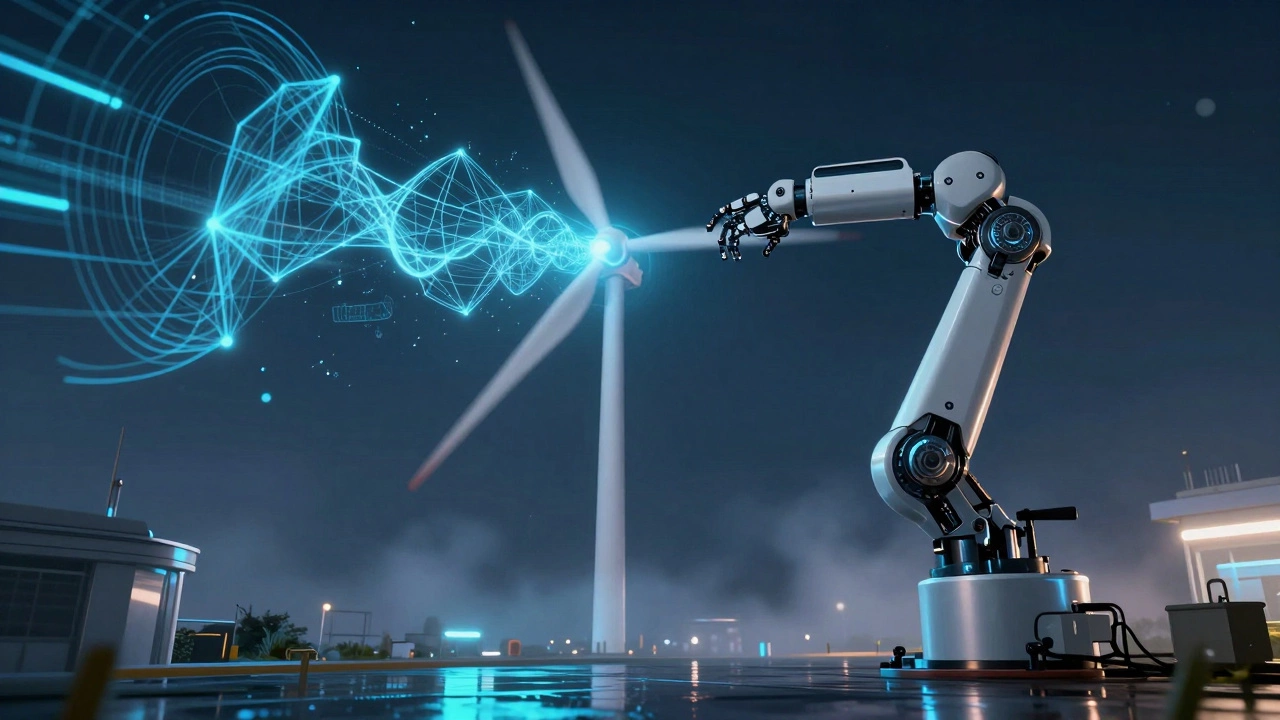
By March 2026, Artificial Intelligence has moved from being a buzzword to an operational utility. Every branch touches it now. Even civil engineers use AI for predictive maintenance of bridges. Don't limit yourself to the branch name. Most IITs allow you to take electives in other departments. A Mechanical engineer taking AI classes builds a profile that is harder to replace than someone who only studied standard mechanics.
Internships play a massive role here. Summer placements in top tech firms often depend on your portfolio rather than your roll number. Start building projects in your first year. Whether it is designing a robotic arm or creating a web app, having tangible proof of your skills outweighs theoretical grades in the long run.
Choosing Your Path Wisely
There is no universal kingpin. If you love building products and want the highest ceiling, aim for the digital tracks. If you care about physical systems and sustainability, core engineering is undervalued gold. Look at your strengths. Are you better at abstract thinking or hands-on tinkering? Be honest with yourself about your capacity for coding marathons versus lab work.
Your peers might push for the trendiest option, but the market changes fast. What was hot five years ago might be saturated today. Aim for fundamentals. Strong problem-solving skills allow you to pivot into almost any field post-graduation. Many senior professors emphasize that the institute brand gives you the platform, but your chosen subject determines your direction.
Ultimately, treat the decision as an investment strategy. You want maximum returns on effort. Diversify your skills. Choose a branch that doesn't bore you, even if it looks less glamorous initially. Passion fuels the long nights of studying required to clear the entrance exams, and it keeps you going when the initial excitement fades.
Is Computer Science the only good branch at IIT?
No, while CSE offers high initial packages, branches like ECE, EE, and Mechanical have strong core industries. Many switch roles through higher studies or lateral moves after a few years.
Can I change my branch after admission?
Yes, most IITs have a branch exchange policy in the second or third year based on CGPA. Maintaining a high GPA allows you to move to a more popular department later.
Which subject requires the most math?
Mathematics and Computing and Computer Science involve heavy theoretical math. Mechanical and Civil also rely heavily on calculus and physics principles.
Does branch matter for MS abroad?
For US universities, your undergraduate major matters less than your research experience. You can pursue MS in any field regardless of your bachelor's branch if you have solid project work.
What if I am unsure about my interest?
Choose a branch with flexible curricula like ECE or CS. Avoid very niche domains until you have clarity. General engineering degrees allow easier pivots.