
English Learning App Finder
Stop guessing which app is right for you. Answer three quick questions to find the perfect digital tutor for your current needs.
You’ve downloaded five different language apps. You have streaks on three of them. Yet, when a client calls or you need to order coffee abroad, your brain still freezes. Why? Because most apps teach you how to translate words, not how to think in English. In 2026, the market is flooded with AI-driven tools, gamified lessons, and tutor platforms, making the choice harder than ever. The truth is, there is no single "best" app for everyone. There is only the best app for your specific gap-whether that’s vocabulary, grammar, listening, or pure speaking confidence.
The Real Problem With Most Language Apps
Let’s be honest about why you’re here. You probably tried Duolingo because it was free and fun. It kept you engaged with its owl mascot and daily goals. But did it make you fluent? Probably not. Traditional apps often fail because they prioritize passive recognition over active production. You tap the right answer, but you don’t build the neural pathways required to form sentences spontaneously under pressure.
To fix this, you need to identify your primary bottleneck before choosing an app. Are you stuck because you don’t know enough words (vocabulary)? Do you understand everything but can’t reply fast (processing speed)? Or do you fear making mistakes so much you stay silent (confidence)? Each of these requires a different digital tool. Choosing based on hype rather than need is the fastest way to waste money and time.
Top Contenders for Different Learning Goals
We tested the leading platforms available in India and globally as of late 2025 and early 2026. Here is how they stack up against each other for specific learner profiles.
| App Name | Primary Strength | Best For | Cost Model | AI Integration |
|---|---|---|---|---|
| Duolingo | Habit formation & basics | Absolute beginners, kids | Freemium / Super Subscription | High (GPT-4 powered exercises) |
| Babbel | Practical conversation skills | Travelers, office workers | Subscription only | Moderate (Speech recognition) |
| Elsa Speak | Pronunciation correction | Accent reduction, clarity | Freemium / Premium | Very High (Phoneme analysis) |
| Cake | Real-world slang & idioms | Intermediate learners | Free / Pro features | Low (Curated content) |
| Cambly | Live native tutoring | Advanced speakers, interview prep | Per-minute billing | N/A (Human interaction) |
If You Need to Speak Now: Elsa Speak and Cambly
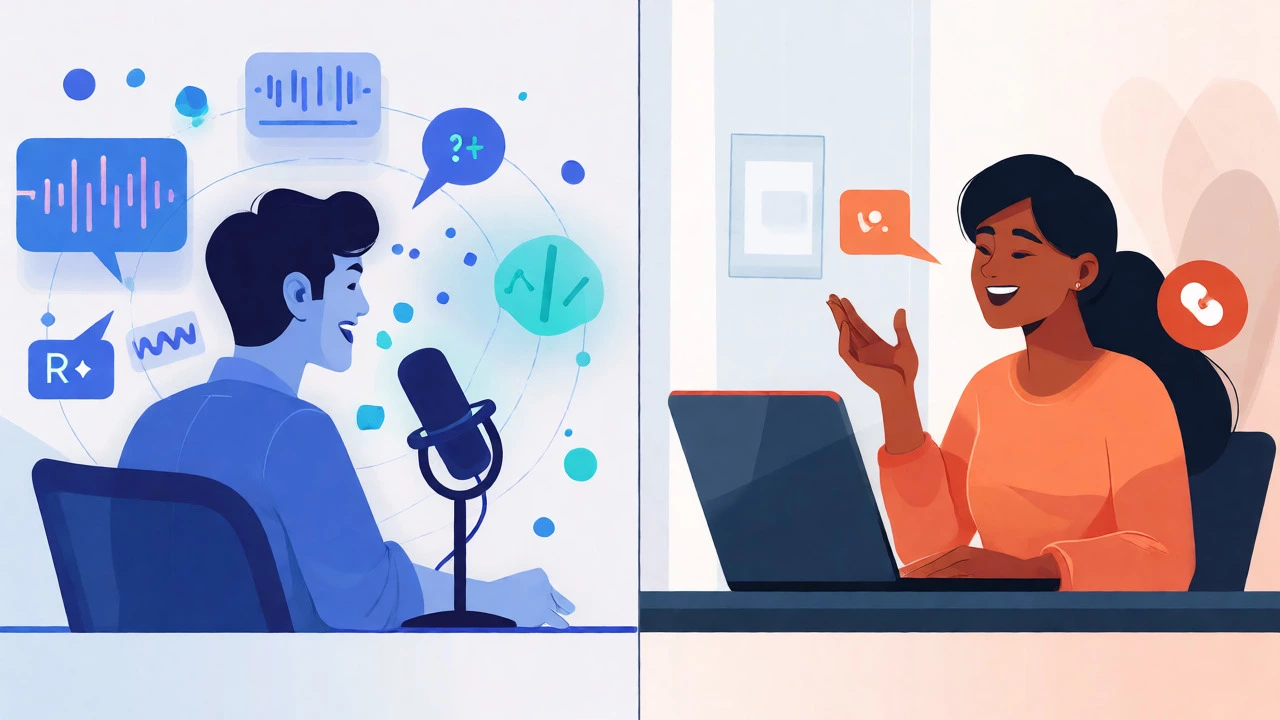
If your goal is to sound professional on Zoom calls or pass an IELTS speaking test, generic vocabulary apps won’t cut it. You need feedback on how you say things. This is where Elsa Speak shines. It uses advanced speech recognition technology to analyze your pronunciation at the phoneme level. Unlike basic apps that just check if you said the word, Elsa tells you exactly which syllable was flat or which consonant was missing. For Indian learners specifically, who often struggle with distinguishing between 'v' and 'w' or rolling 'r's, this targeted feedback is invaluable.
However, technology has limits. If you are already intermediate and can pronounce words correctly but freeze during real conversations, you need human interaction. Enter Cambly. This isn't an app that teaches you rules; it’s a platform that connects you instantly with native English speakers. There are no lesson plans unless you ask for them. You talk. You make mistakes. They correct you gently. This builds the "muscle memory" of speaking that solo apps cannot replicate. It’s expensive compared to others, but for career-critical communication, it’s worth every rupee.
For Structured Grammar and Daily Practice: Babbel and Busuu
If you prefer a classroom-like structure without the teacher’s judgment, Babbel is often superior to Duolingo. While Duolingo might teach you "The apple is red," Babbel teaches you "How do I return a defective product?" Its lessons are designed by linguists focusing on practical dialogue. It explains why the grammar works that way, which helps adults retain information better than rote memorization.
Another strong contender is Busuu. What makes Busuu unique is its community feature. After you complete a lesson, you submit short writing or audio exercises to native speakers in the Busuu community. Real humans review your work. Getting a correction from a person in London or New York adds a layer of accountability and authenticity that AI sometimes misses. It bridges the gap between self-study and social learning effectively.
Learning Through Immersion: Cake and YouTube
Sometimes, textbooks feel dry. If you want to learn modern, casual English-the kind used in movies, podcasts, and social media-you need immersion. Cake aggregates short video clips from real-life sources like Netflix shows, news broadcasts, and YouTube vlogs. It breaks down the phrases used in those clips. You learn slang, idioms, and natural pacing. It’s less structured but highly effective for keeping your ear tuned to natural speech patterns.
Don’t underestimate the power of curated YouTube channels either. Channels like English with Lucy or Rachel’s English offer high-quality, free instruction. Pairing a passive consumption habit (watching videos) with an active practice tool (like Cake or Elsa) creates a powerful dual-learning system. One feeds your input, the other forces output.
How to Combine Apps for Maximum Fluency
Here is the secret most gurus won’t tell you: Don’t stick to one app. Use a "stack." Relying on a single source creates blind spots. A balanced weekly routine in 2026 looks like this:
- 15 Minutes Daily: Use Duolingo or Babbel for vocabulary retention and grammar drills. Keep the streak alive to maintain discipline.
- 10 Minutes Daily: Use Elsa Speak to drill difficult sounds identified in your main app lessons.
- 3 Times a Week: Watch 5 minutes of content on Cake to pick up new idioms.
- Once a Week: Book a 30-minute session on Cambly or use a language exchange partner to practice what you learned.
This approach ensures you cover all four skills: reading, writing, listening, and speaking. Most users quit because they try to do everything in one app. By splitting the load, you reduce burnout and increase effectiveness.
Common Pitfalls to Avoid
First, beware of the "gamification trap." Many apps reward you for opening the app, not for learning. If you’re just tapping buttons to keep a streak but zoning out mentally, you’re wasting time. Set a rule: No phone scrolling while doing lessons. Active engagement beats passive repetition every time.
Second, don’t ignore local context. As someone living in Bangalore, you likely encounter "Indian English" frequently. Global apps teach American or British standards. That’s fine for global business, but don’t let it discourage you. Your accent is part of your identity. Focus on clarity, not elimination of your accent. If people understand you easily, you are successful. Tools like Elsa help with clarity, not erasure.
Frequently Asked Questions
Is Duolingo good enough to become fluent?
No, not on its own. Duolingo is excellent for building a foundation of vocabulary and basic sentence structures, especially for beginners. However, it lacks the depth in conversational nuance, complex grammar explanation, and spontaneous speaking practice required for true fluency. It should be used as a supplement to speaking practice and immersive listening, not as the sole method.
Which app is best for improving my accent?
Elsa Speak is currently the leader in this niche. It uses AI to provide granular feedback on individual sounds (phonemes), telling you exactly how to move your tongue and lips. For broader intonation and rhythm, pairing it with shadowing techniques using native speaker audio (from apps like Cake or podcasts) is highly effective.
Are paid apps better than free ones?
Not necessarily. Free apps like Duolingo and Cake offer substantial value. Paid subscriptions usually remove ads, unlock offline modes, and provide more detailed explanations or unlimited access to premium content. However, paying does not guarantee learning. Consistency matters more than cost. Start with free versions, and upgrade only if you hit a paywall that actually hinders your progress.
How long does it take to see results with these apps?
With consistent daily practice (15-30 minutes), you can expect noticeable improvements in vocabulary and basic comprehension within 4-8 weeks. Significant gains in speaking confidence and fluency typically require 3-6 months of combined app usage and active speaking practice. Results vary heavily based on your starting level and exposure to English outside the app.
Can I replace a traditional course with an app?
For general improvement, yes. For specialized needs like academic writing, legal English, or medical terminology, apps may lack the specific depth needed. Additionally, apps cannot fully replicate the accountability of a live instructor. If you struggle with self-discipline, a hybrid approach using an app for homework and a tutor for practice is often the most efficient path.