
Python Career Path Finder
Your Recommended Path
Key Skills to Learn:
Recommended Libraries:
First Project Idea:
Estimated Timeline
To build a basic project
Imagine you have a tool that can build a website, analyze stock market trends, automate your boring email tasks, and even help a robot navigate a room. That tool is Python. It’s not just one thing; it’s the Swiss Army knife of the tech world. If you are sitting in a coding class wondering if this language is worth your time, the short answer is yes. But the real question is: what exactly will you be able to do with it?
As of 2026, Python remains the most popular programming language for beginners and experts alike. According to recent industry reports, over 8 million developers use Python daily. It powers giants like Google, Netflix, and Instagram. But beyond the big names, it is the backbone of modern education because it reads almost like English. You don’t need to memorize complex symbols to get started. You just need logic.
Why Start with Python in Coding Classes?
When you join a coding class, the first hurdle is usually frustration. Syntax errors, missing semicolons, and confusing brackets can make you want to quit before you write your first "Hello World." Python removes these barriers. Its syntax is clean and readable. This means you spend less time fighting the computer and more time solving problems.
For students in Bangalore or anywhere else, starting with Python builds a strong foundation. Once you understand variables, loops, and functions in Python, picking up other languages like Java or C++ becomes much easier. You already know how to think like a programmer. Python teaches you the concepts without the clutter.
- Readability: Code looks like plain English sentences.
- Versatility: One language for many different jobs.
- Community Support: Millions of tutorials and forums available.
- Job Market: High demand across multiple industries.
Web Development: Building the Internet
You might think JavaScript is the only king of the web. That was true ten years ago. Today, Python plays a massive role in building the backend-the engine that runs websites behind the scenes. When you log into a site, search for a product, or upload a photo, Python frameworks are often handling that data securely and quickly.
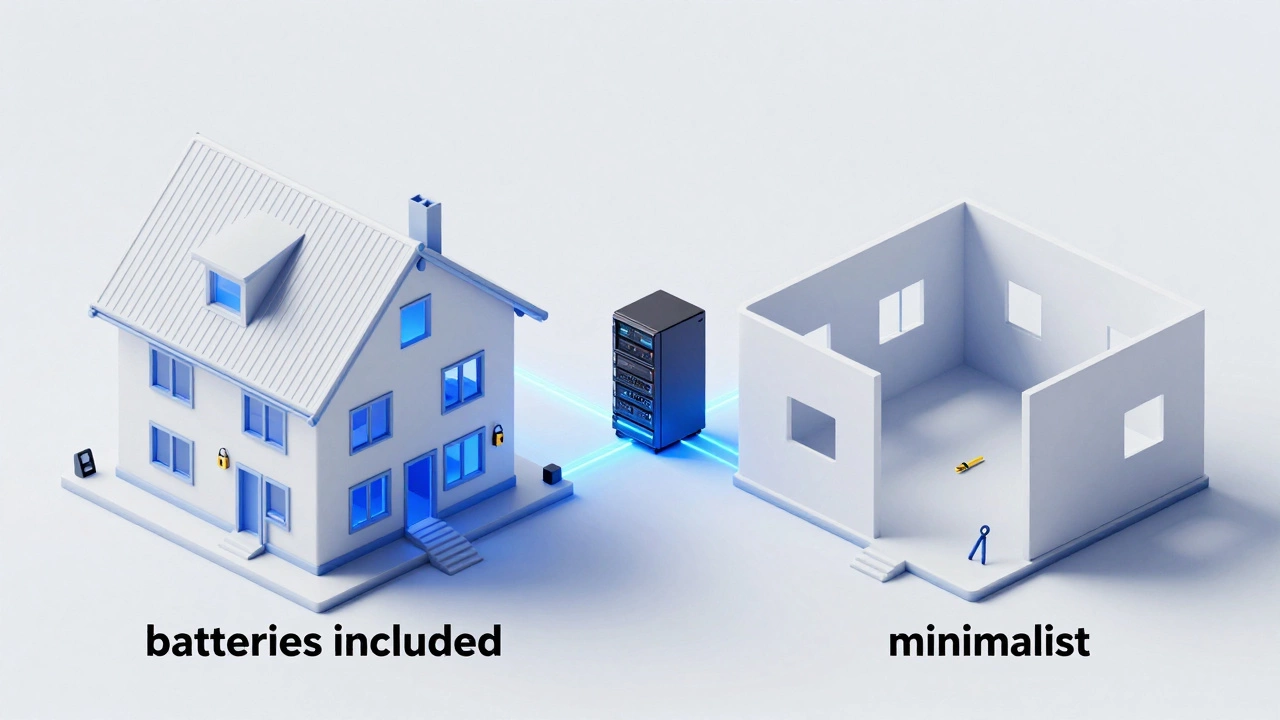
The two biggest players here are Django and a high-level Python web framework that encourages rapid development and clean design and Flask and a micro web framework written in Python. Django is like a fully furnished house. It comes with authentication, database management, and security features built-in. It’s perfect for large applications like social networks or e-commerce sites. Flask, on the other hand, is like an empty apartment. You add only what you need. It’s lightweight and great for small projects or APIs.
| Feature | Django | Flask |
|---|---|---|
| Complexity | High (Batteries included) | Low (Minimalist) |
| Best For | Large apps, E-commerce | Small apps, Microservices |
| Learning Curve | Steeper | Gentle |
| Database | Built-in ORM | External libraries needed |
If your goal is to become a full-stack developer, learning Python opens the door to powerful backend roles. Companies love hiring Python developers who understand both the logic of the code and the structure of the web.
Data Science and Artificial Intelligence
This is where Python truly shines. In 2026, data is the new oil, and Python is the refinery. Whether you are analyzing sales figures for a local shop in Indiranagar or training a neural network for self-driving cars, Python is the standard language. Why? Because of its libraries.
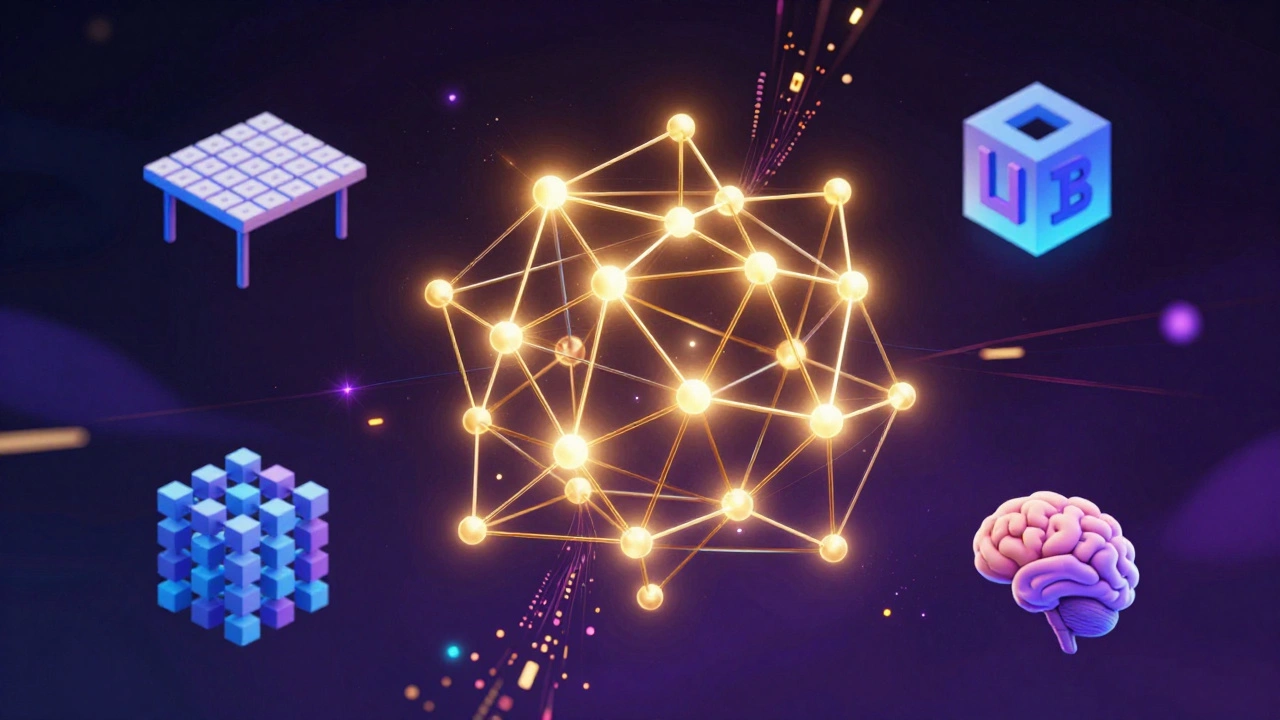
Libraries are pre-written code that you can plug into your project. Instead of writing math formulas from scratch, you import a library and use it. Pandas is a software library written for the Python programming language for data manipulation and analysis helps you organize messy data into neat tables. NumPy is a library for the Python programming language, adding support for large, multi-dimensional arrays and matrices handles heavy mathematical calculations faster than regular Python code. And then there is TensorFlow and an open-source machine learning framework developed by Google, which allows you to build artificial intelligence models.
Students in coding classes often start with simple data visualization using Matplotlib is a plotting library for the Python programming language and its numerical mathematics extension NumPy. You can take a spreadsheet of exam scores and turn it into a beautiful chart in five lines of code. This skill is incredibly valuable. Every company needs people who can look at raw numbers and tell a story.
Automation and Scripting
Let’s talk about something practical. Do you hate doing repetitive tasks? Maybe you need to rename 1,000 files, scrape prices from competitor websites, or send automated emails. Python excels at this. We call this "scripting."
A script is a small program that performs a specific task. Unlike a full application, it doesn’t need a user interface. It just runs and gets the job done. For example, a student might write a Python script to download all lecture notes from their university portal automatically. Or a marketer might use Python to pull data from Facebook Ads and put it into an Excel sheet every morning.
This saves hours of manual work. In the corporate world, employees who can automate their workflows are seen as superstars. You aren’t just working harder; you’re working smarter. Learning Python gives you the power to build these digital assistants.
Cybersecurity and Ethical Hacking
Security is a huge concern in our connected world. Cybercriminals use scripts to attack systems, so defenders need scripts to protect them. Python is widely used in cybersecurity for penetration testing-where you try to break into a system legally to find weaknesses.
Tools like Scapy is a powerful interactive packet manipulation program written in Python allow security experts to craft custom network packets. They can simulate attacks to see if a firewall holds up. If you are interested in protecting data rather than just creating it, Python is an essential tool in your kit. Many ethical hacking courses now include Python modules because it makes writing exploits and scanners much easier than using older languages.
Game Development and Desktop Apps
While C# and C++ dominate high-end game development, Python has a niche here too. The Pygame is a set of Python modules designed for writing video games library is popular among beginners. It lets you create 2D games with sprites, sound, and input handling. It’s not going to win awards for graphics, but it’s perfect for learning game logic.
Additionally, Python can build desktop applications. Libraries like Tkinter is the de facto standard GUI for Python and Kivy is an open source Python library for rapid development of applications that make use of innovative user interfaces allow you to create programs that run on Windows, Mac, or Linux. These aren’t just for hobbyists; many internal business tools are built with Python because they are quick to develop and easy to maintain.
How to Choose Your Path
Knowing what Python is used for is step one. Step two is deciding what *you* want to do. Don’t try to learn everything at once. Pick a lane.
- Love Logic and Puzzles? Go into Data Science or AI. Focus on Pandas, NumPy, and TensorFlow.
- Want to Build Products? Choose Web Development. Master Django or Flask.
- Hate Repetition? Learn Automation. Study file I/O, APIs, and Selenium.
- Interested in Security? Look into Network Programming and Scapy.
In your coding classes, ask your instructor for projects related to your interest. Theory is good, but building a real chatbot or a personal portfolio website is better. Employers hire people who can show them what they’ve built.
Is Python hard to learn for a complete beginner?
No, Python is considered one of the easiest languages to learn. Its syntax is close to natural English, which reduces the mental load of remembering complex rules. Most beginners can write their first useful program within a week of consistent practice.
Can I get a job knowing only Python?
Yes, but it depends on the role. For data science or backend web development, Python is often the primary language. However, you will likely need to learn supporting tools like SQL for databases, Git for version control, and basic HTML/CSS for web roles. Python alone is a strong start, but complementary skills make you hireable.
Is Python fast enough for professional use?
For most applications, yes. While Python is slower than C++ or Rust in raw execution speed, it is fast enough for web servers, data analysis, and scripting. For performance-critical parts of an application, developers often write those specific sections in C or Cython and integrate them with Python. The trade-off is worth it because Python allows developers to write code much faster.
What is the difference between Python 2 and Python 3?
Python 2 is obsolete and no longer supported. All new coding classes and professional projects should use Python 3. Python 3 offers better Unicode support, cleaner syntax, and improved performance. Never start learning with Python 2 materials found online; they are outdated.
Do I need a powerful computer to run Python?
No. Python is lightweight and runs efficiently on almost any modern laptop. You don’t need a gaming PC to write scripts or build web apps. However, if you dive deep into machine learning with large datasets, you might benefit from a computer with more RAM or a dedicated GPU, but this is only necessary for advanced stages.